
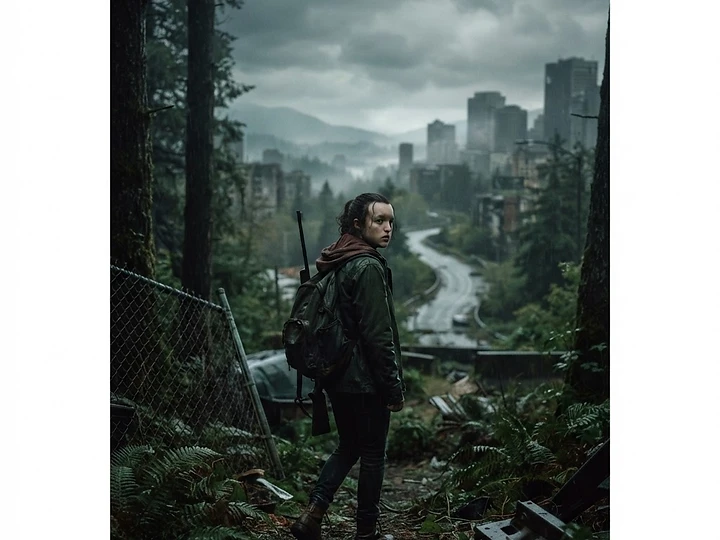
A New Chapter in the Wasteland
The cultural footprint of HBO’s The Last of Us has only deepened since its debut, transforming from a high-stakes video game adaptation into a cornerstone of modern prestige television. As the series moves into its second season, the narrative focus shifts, mirroring the structural evolution of Naughty Dog’s The Last of Us Part II. This transition is not merely a change in setting or cast; it represents a fundamental shift in how the show explores themes of vengeance, tribalism, and the moral ambiguity of survival.
The Weight of Abby Anderson
Central to the discourse surrounding the new season is the introduction of Abby, portrayed by Kaitlyn Dever. In the source material, Abby serves as a polarizing, complex foil to Ellie, and her arrival in the television adaptation has been met with intense anticipation. Dever’s performance is tasked with grounding a character whose motivations are as brutal as they are understandable within the show’s unforgiving reality. By bringing this character to the screen, the series forces the audience to confront the same uncomfortable questions about empathy and perspective that defined the gaming experience for millions.
Expanding the World
The inclusion of new factions, such as the Seraphites and the WLF, alongside the return of Jeffrey Wright as Isaac, signals a broader scope for the show’s world-building. The production has leaned into the visceral, grounded aesthetic that made the first season a critical success, while simultaneously raising the stakes of the conflict. The tension between Joel and Ellie, now strained by the passage of time and the weight of past choices, provides the emotional anchor for a season that promises to be as harrowing as it is visually arresting.
The Future of the Franchise
Beyond the immediate narrative arc of the second season, the conversation has already turned toward the future. With reports of further seasons and the continued involvement of the creative team, The Last of Us is cementing its status as a long-term cultural pillar. The show’s ability to bridge the gap between interactive media and traditional storytelling has set a new benchmark for how franchises can be adapted without losing the soul of their original medium. As the series continues to unfold, it remains a testament to the power of character-driven drama in an era of spectacle-heavy television.


