
The Weight of Vengeance
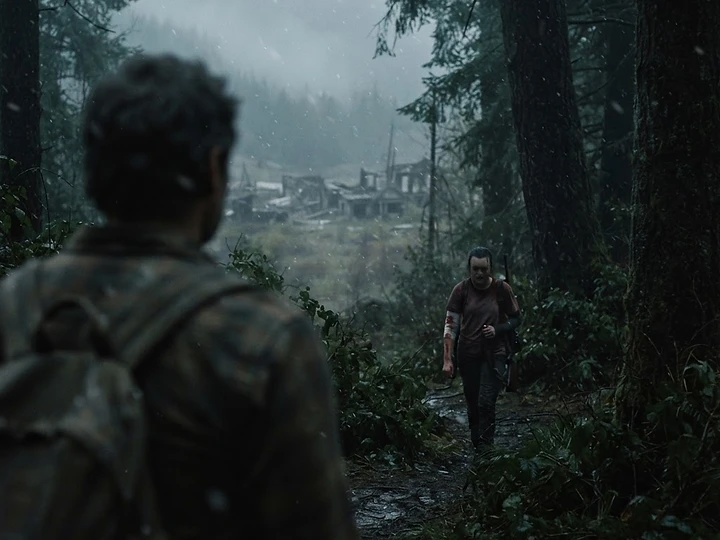
The second season of HBO’s The Last of Us has concluded, leaving audiences in a state of profound, if not entirely comfortable, reflection. By adapting the narrative arc of the second video game, the showrunners have thrust viewers into a visceral, uncompromising exploration of the cycle of violence. Where the first season was a road-trip odyssey defined by the burgeoning bond between Joel and Ellie, the second season pivots sharply into the dark, jagged territory of retribution. The narrative choice to split perspectives—forcing the audience to inhabit the motivations of those who would destroy our protagonists—has proven to be the show's most daring, and divisive, creative decision.
A Shift in Perspective
The introduction of Abby, portrayed with haunting intensity by Kaitlyn Dever, serves as the fulcrum for this season’s thematic weight. By dedicating significant screen time to the 'other side' of the conflict, the series challenges the viewer's inherent loyalty to Joel and Ellie. This is not merely a story about survival in a fungal-ravaged wasteland; it is a meditation on how trauma calcifies into hatred. The show’s pacing, which includes a penultimate episode composed entirely of flashbacks, forces a slow-burn realization: in this world, there are no heroes, only survivors carrying the ghosts of their pasts.
The Musicality of Memory
Amidst the brutality, the show continues to use music as a vital narrative shorthand. The inclusion of Ellie’s rendition of A-ha’s 'Take on Me' in the fourth episode stands as a rare, crystalline moment of humanity. It serves as a bridge between the innocence of the pre-outbreak world and the harsh reality of the Seattle ruins. These moments of quiet are essential; they provide the necessary contrast to the show’s unflinching depiction of combat and loss. Without these respites, the relentless nature of the plot would risk becoming purely nihilistic.
The Cliffhanger and the Future
As the season fades to black on a precarious cliffhanger, the discourse surrounding the show has reached a fever pitch. Critics and fans alike are debating the merits of the show’s fidelity to the source material versus its need to stand as a distinct piece of television. Some argue that the extreme violence feels gratuitous, while others contend that it is the only honest way to depict the world Neil Druckmann and Craig Mazin have built. Regardless of where one falls on the spectrum, the cultural impact is undeniable. The Last of Us has successfully transitioned from a beloved gaming franchise into a cornerstone of prestige television, proving that audiences are willing to engage with challenging, uncomfortable narratives that refuse to offer easy catharsis. As we look toward a third season, the question remains: can the cycle ever truly be broken, or are these characters destined to repeat their mistakes until nothing remains?


