

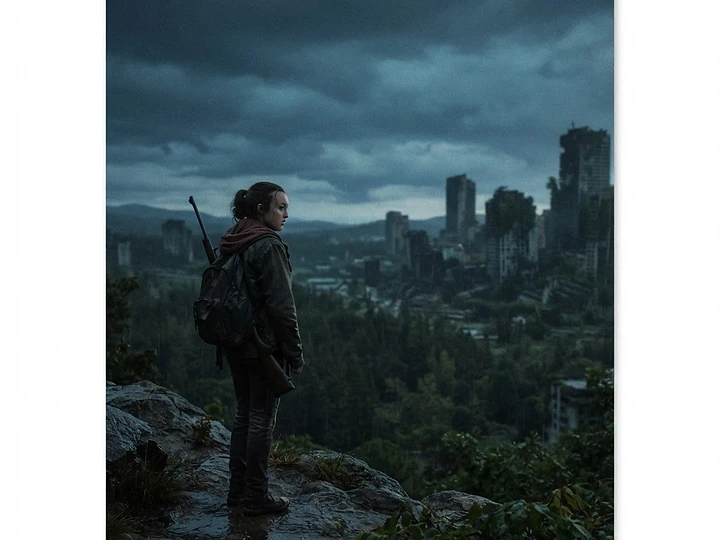
A New Chapter in the Wasteland
The landscape of prestige television has been irrevocably altered by the success of HBO’s The Last of Us. What began as a high-stakes gamble—adapting a beloved, narrative-heavy video game for a medium that has historically struggled with such transitions—has blossomed into a cultural juggernaut. With the recent confirmation that the series will push forward into a third season, the conversation has shifted from whether the show can survive the transition from game to screen, to how it is actively redefining the boundaries of episodic storytelling.
The Weight of Legacy
The casting of Kaitlyn Dever as Abby in the second season was more than a mere production update; it was a signal of intent. By leaning into the complex, often polarizing character arcs established in Naughty Dog’s source material, the showrunners have demonstrated a commitment to the source material’s moral ambiguity. This is not a sanitized version of the apocalypse. It is a gritty, character-driven exploration of trauma, vengeance, and the cyclical nature of violence that defines the post-pandemic world of Joel and Ellie.
Beyond the Franchise Fatigue
In an era where "franchise fatigue" is the buzzword of every boardroom, The Last of Us stands as a notable exception. While other intellectual properties struggle to maintain relevance, this series thrives by focusing on the intimacy of its central relationships. The decision to expand the narrative scope—introducing new characters like those played by Peter Sarsgaard—suggests that the show is not merely content to retread the beats of the games. Instead, it is building a broader, more interconnected universe that respects the original vision while carving out its own distinct identity on television.
The Future of Prestige Gaming Adaptations
As we look toward the future of the series, the implications for the industry are clear. The success of this adaptation has provided a blueprint for how to handle source material with reverence without being shackled by it. By prioritizing emotional resonance over spectacle, the production team has ensured that the audience remains invested in the characters' survival, even when the world around them is falling apart. The upcoming seasons promise to delve deeper into the consequences of the choices made in the first season, ensuring that the tension remains as palpable as ever. The Last of Us is no longer just a show; it is a benchmark for what happens when creative vision meets high-budget execution.


