
The Rise of the Toothy Icon
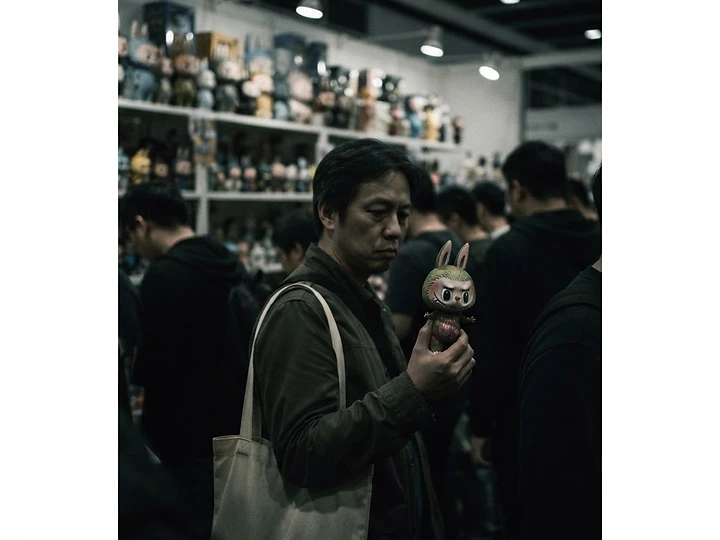
In a year defined by digital ephemera and fleeting memes, few physical objects managed to capture the collective imagination quite like Labubu. Created by artist Kasing Lung and distributed by the powerhouse brand Pop Mart, these mischievous, toothy creatures have transcended their status as mere vinyl toys to become the definitive cultural artifact of 2025. What began as a niche interest among art-toy enthusiasts in East Asia quickly metastasized into a global phenomenon, with collectors queuing for hours and secondary market prices soaring to astronomical heights.
The Psychology of Scarcity
At the heart of the Labubu craze lies a masterclass in modern retail psychology. By utilizing the 'blind box' model—where consumers purchase a sealed package without knowing which specific character variant they will receive—Pop Mart tapped into the same dopamine loops that drive mobile gaming and loot-box mechanics. This element of chance, combined with limited-edition releases and high-profile celebrity endorsements, transformed the act of collecting into a high-stakes social game. The dolls are no longer just toys; they are status symbols, signaling membership in an exclusive, fast-moving digital community.
Beyond the Plastic
What makes the Labubu phenomenon particularly fascinating is its integration into the broader fashion and lifestyle ecosystem. We have seen these plush figures attached to luxury handbags, featured in high-fashion editorials, and serving as the centerpiece for viral unboxing videos that rack up millions of views. The character’s design—a blend of monstrous and adorable—perfectly aligns with the 'ugly-cute' aesthetic that has dominated Gen Z and Alpha fashion trends throughout the year. It is a visual language that prioritizes personality and irony over traditional notions of beauty.
The Future of Collectibles
As we move into 2026, the Labubu trend serves as a blueprint for how brands can bridge the gap between physical retail and digital virality. The success of these dolls suggests that consumers are increasingly craving tangible, 'collectible' experiences in an era of AI-generated content and virtual saturation. While the fervor may eventually cool, the impact on the toy industry is permanent. The era of the mass-produced, generic action figure is waning, replaced by a demand for character-led, narrative-rich collectibles that offer a sense of community and personal identity. Whether Labubu remains the king of the shelf or is replaced by the next viral mascot, the precedent has been set: the future of retail is small, strange, and highly collectible.


