
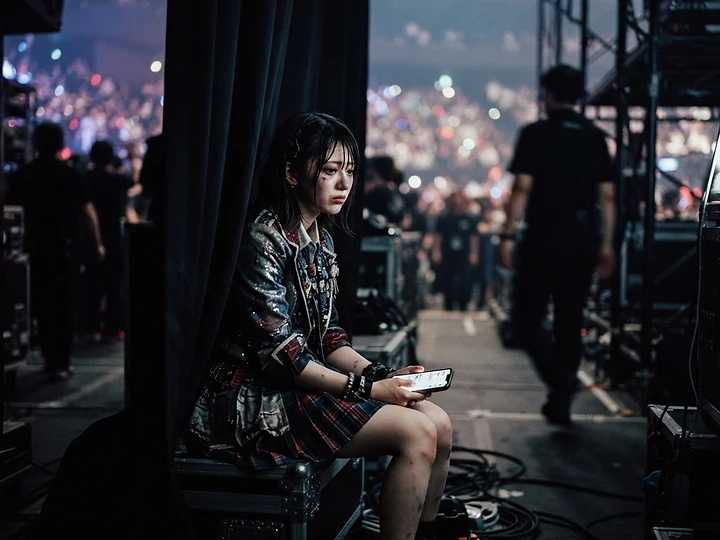
The New Frontier of Japanese Pop
For decades, J-pop existed as a self-contained ecosystem, a vibrant, insular world of meticulously crafted idol groups and genre-bending production. However, as we move through 2026, the industry is undergoing a profound identity crisis. No longer content with domestic dominance, the Japanese music scene is currently navigating a volatile mix of technological disruption, shifting social norms, and an aggressive push for global relevance.
The AI Paradox
The most immediate catalyst for this shift is the rapid integration of artificial intelligence. While Western markets have debated the ethics of AI-generated vocals, Japan has leaned into the absurdity. We are seeing a surge in virtual idols and AI-assisted compositions that challenge the very definition of 'authenticity' in a culture that historically prized the grueling, human-centric training of the idol system. This has created a schism: on one side, a nostalgic yearning for the 'pure' idol experience of the early 2000s; on the other, a futuristic, digital-first approach that treats music as a high-speed, viral-ready commodity.
Breaking the Idol Contract
Beyond the technology, the social fabric of the industry is fraying. For years, the 'no-dating' clause in idol contracts was an unspoken, ironclad rule. Recent cinematic explorations, such as Koji Fukada’s 'Love on Trial,' have brought these restrictive practices into the mainstream spotlight, forcing a public reckoning. Fans are increasingly demanding more agency for their favorite stars, pushing back against the rigid, often exploitative structures that defined the previous generation of J-pop. This shift is not just cultural; it is economic. As streaming numbers rise and world tours become more frequent, the industry is realizing that the old guard of talent management is incompatible with a globalized, transparent digital age.
The Infrastructure of Growth
Infrastructure is finally catching up to ambition. The recent opening of high-end, dedicated recording studios in Shibuya, backed by global streaming giants, signals that Japan is no longer just a market to be sold to—it is a creative hub to be invested in. This influx of capital is allowing artists to experiment with production values that rival the polish of K-pop, while maintaining the distinct, often eccentric melodic sensibilities that make J-pop unique.
A Future in Flux
As we look toward the remainder of 2026, the question remains: can J-pop maintain its soul while chasing the global stage? The tension between the 'sugar high' of viral hits and the desire for legacy-building artistry is palpable. Whether through the lens of new academic interest at universities or the establishment of domestic awards ceremonies that mirror the prestige of the Grammys, Japan is clearly attempting to codify its cultural export. The identity crisis isn't a sign of failure; it is the growing pain of an industry finally ready to claim its place in the global monoculture.


