
Why this is trending right now
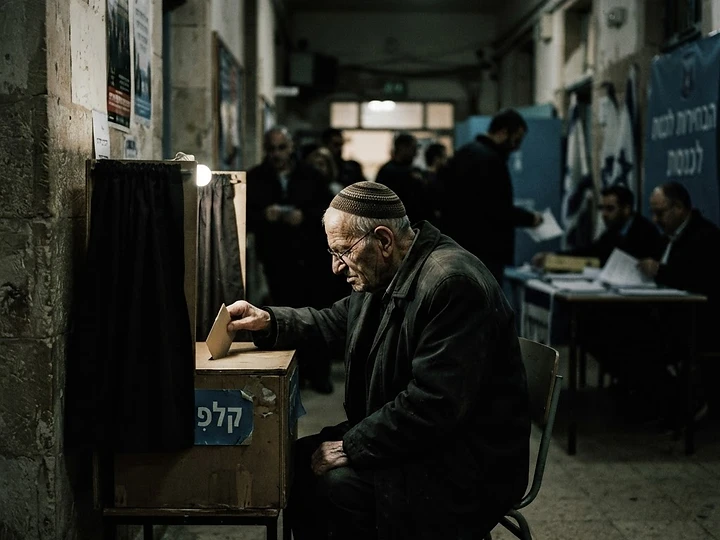
Israeli voters are participating in a national election to determine the composition of the Knesset, a process that carries significant implications for the tenure of Prime Minister Benjamin Netanyahu. The election follows three years of conflict, leaving the electorate divided over the state's character and leadership, according to reporting from MS.Now.
The last 24 hours: a timeline
As of October 27, 2026, the election process is active. Throughout the day, reports indicate a tight race between Netanyahu’s religious and ultranationalist coalition and a bloc of parties seeking his removal. Nonaligned Arab parties are actively pushing for high voter turnout, which analysts suggest could be a decisive factor in the final seat distribution. There is a documented possibility that neither major coalition will secure a clear parliamentary majority, which would necessitate extended post-election negotiations to form a government.
What could happen next
If neither coalition achieves a majority, the country faces a period of political uncertainty. Based on the current parliamentary structure, the formation of a government will likely require weeks of coalition building. The outcome will dictate the direction of Israeli policy regarding the ongoing regional conflict and domestic governance. Analysts are monitoring the turnout of nonaligned voters as the primary indicator of whether a clear mandate will emerge or if the country will enter a prolonged period of political deadlock.
SOURCES — THE RECORD
- Voters in Israel are deciding whether to oust Netanyahu after 3 years of warMS.NOW · ms.now
- American Israelis return to Israel to voteMS.NOW · ms.now
- News 27 October 2026EURONEWS · euronews.com