
Why this is trending right now
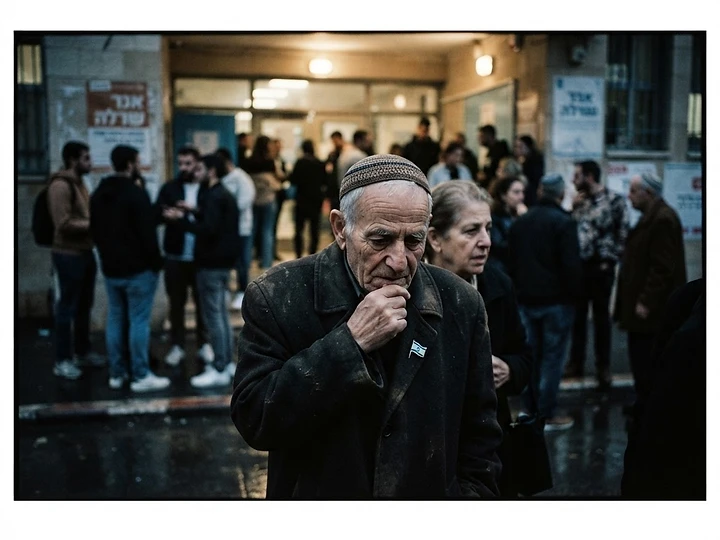
Israel is currently holding a pivotal election that pits Prime Minister Benjamin Netanyahu against a coalition of opposition parties. The vote follows three years of war and deep societal division regarding the country's leadership and national character. The outcome remains uncertain, with the potential for a prolonged period of coalition negotiations if no single bloc secures a parliamentary majority.
The last 24 hours: a timeline
Polling stations opened early in the day as voters across Israel cast ballots in a race characterized by high turnout among nonaligned Arab parties. By midday, reports indicated that the contest between Netanyahu’s religious and ultranationalist coalition and the opposition bloc remained extremely tight. Throughout the afternoon, analysts noted that the lack of a clear frontrunner could lead to weeks of political deadlock. As of late evening, the focus shifted to the counting process and the potential for neither side to reach the threshold required to form a government.
What could happen next
If neither the incumbent coalition nor the opposition secures a majority, Israel will likely enter a period of intense political bargaining. This process could delay the formation of a new government for several weeks. The basis for this inference is the current polling data and the historical precedent of coalition-building in the Israeli parliamentary system. The final results will determine the direction of the country's security and domestic policies for the coming term.
SOURCES — THE RECORD
- Voters in Israel are deciding whether to oust Netanyahu after 3 years of warMS NOW · ms.now
- Israel election coverageAP NEWS · apnews.com
- Leadership in IsraelAP NEWS · apnews.com