
Why this is trending right now
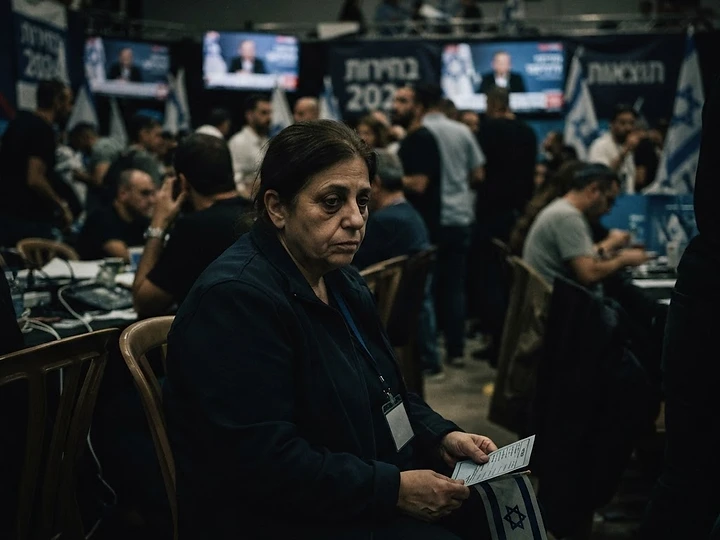
Israel's latest parliamentary election has resulted in a stalemate, with exit polls showing that neither the bloc led by Benjamin Netanyahu nor the opposition led by Eisenkot has secured the 61 seats required for a governing majority in the 120-seat Knesset. The uncertainty surrounding the formation of a new government has triggered significant international interest and domestic political volatility.
The last 24 hours: a timeline
As of October 28, election results confirmed that both major political factions fell short of the threshold needed to form a coalition. Throughout the day, political analysts and party leaders began assessing potential coalition partners to bridge the gap. The situation remains fluid as final vote counts are processed and negotiations between smaller parties and the two main blocs commence. The lack of a clear winner has intensified public debate regarding the future direction of Israeli policy, particularly concerning regional security and the ongoing conflict in Gaza.
What could happen next
Israel faces a period of protracted coalition negotiations. If neither bloc can secure a majority, the country may be forced into another round of elections, a scenario that has occurred multiple times in recent years. The stability of the next government will depend on the willingness of smaller, fringe parties to join a coalition, which may require significant policy concessions. Observers are monitoring whether Netanyahu can consolidate support or if the opposition can form a 'government of change' to unseat the incumbent.
SOURCES — THE RECORD
- Israel election appears to have no clear winnerCNBC · cnbc.com
- Headlines October 27, 2026DEMOCRACY NOW! · democracynow.org
- American Israelis return to Israel to voteMS.NOW · ms.now