Why this is trending right now
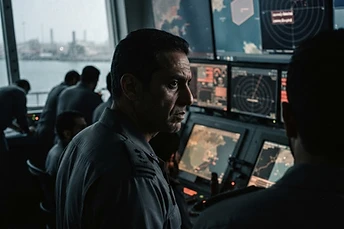
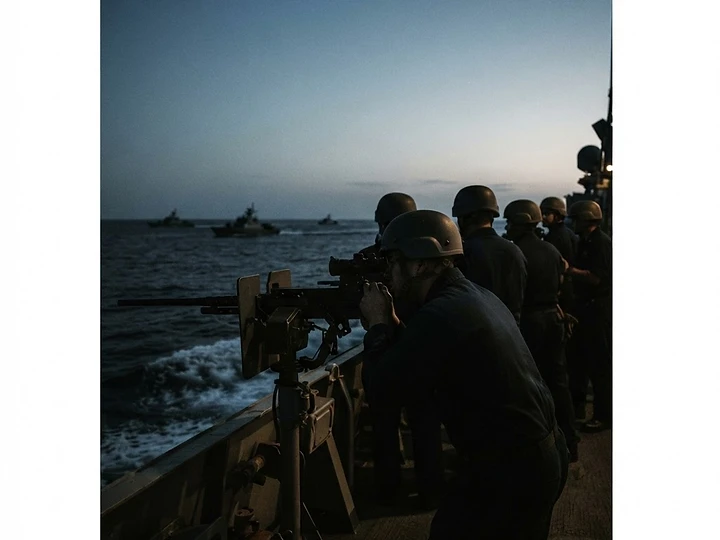
Hostilities between the United States and Iran have escalated following a series of naval incidents in the Strait of Hormuz and a direct strike on a U.S. radar installation in Bahrain. The Islamic Revolutionary Guard Corps (IRGC) claimed responsibility for destroying the radar, stating it was a retaliatory measure for a U.S. strike on a telecommunications facility in the Iranian port of Sirik. President Trump has publicly dismissed the necessity of a peace deal, stating that the window for negotiations has closed.
The last 24 hours: a timeline
On Wednesday, November 11, two supertankers were disabled by explosions in the Strait of Hormuz after ignoring warnings to avoid restricted zones. On Thursday, November 12, two additional tankers struck naval mines in the eastern portion of the strait. By the morning of November 13, the IRGC confirmed the destruction of a U.S. early warning radar in Bahrain. Simultaneously, a confidential report to the International Atomic Energy Agency revealed that Iran has suspended nuclear monitoring discussions, citing persistent military threats from the United States.
What could happen next
Regional security remains volatile as both nations continue to engage in tit-for-tat military actions. The suspension of nuclear monitoring talks suggests that diplomatic channels are effectively frozen. Analysts anticipate further maritime disruptions in the Strait of Hormuz, which could impact global energy prices. The U.S. military presence in Bahrain is likely to be reinforced, though the administration has signaled a preference for continued pressure over renewed diplomatic engagement.
SOURCES — THE RECORD
- Iran says tanker carrying LNG hit mine, suffered explosion in HormuzREUTERS · reuters.com
- Iran targets US radar in BahrainAL JAZEERA · aljazeera.com
- Iran nuclear monitoring inspectionsAP NEWS · apnews.com