
Why this is trending right now
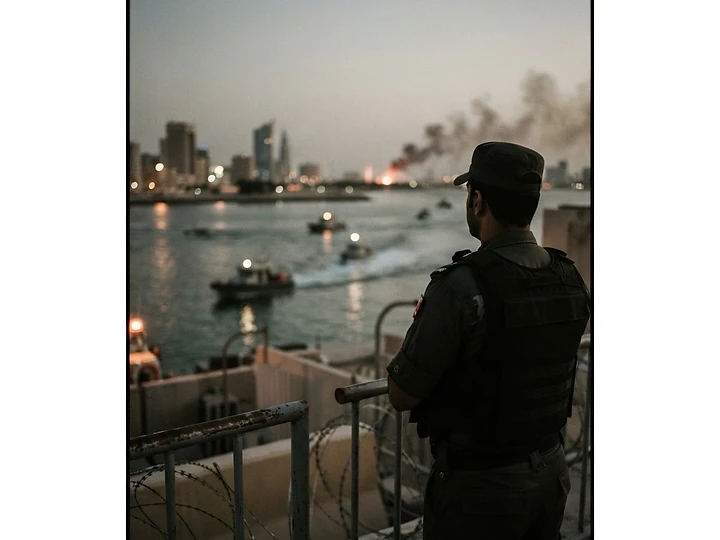
Iran has launched a third round of military strikes against Bahrain, a nation that hosts the U.S. Navy's 5th Fleet. The escalation follows a two-month period of relative calm, marking a significant shift in the regional security environment. The strikes have specifically targeted U.S. radar sites, prompting immediate concern regarding the safety of American personnel and the stability of maritime operations in the Persian Gulf.
The last 24 hours: a timeline
On November 17, 2026, reports confirmed that Iranian forces initiated a new wave of attacks. By 10:33 AM ET, news outlets reported that a U.S. radar site in Bahrain had been hit. Throughout the day, the situation remained fluid as the U.S. military assessed the damage. By the evening of November 17, officials were managing reports of intercepted drone attacks in neighboring Kuwait, suggesting the conflict was spreading beyond the initial strike zone. As of November 18, live updates indicate ongoing skirmishes, including reports of a downed U.S. drone and retaliatory strikes by U.S. forces against IRGC positions on Qeshm Island.
What could happen next
The conflict is likely to remain volatile as both sides engage in tit-for-tat military actions. The U.S. presence in Bahrain serves as a critical deterrent, and further strikes on U.S. assets will likely force a more robust military response from Washington. Analysts infer that the Iranian strategy aims to pressure the U.S. to reduce its regional footprint, though the risk of a broader regional war remains high. Future developments will depend on the effectiveness of current diplomatic backchannels and the scale of any further Iranian provocations against U.S. naval assets.
SOURCES — THE RECORD
- Iran launches a third round of strikes on BahrainNPR · npr.org
- Iran drone strike hits US radar site in BahrainTHE HILL · thehill.com
- Iran war updates: US says it hits IRGC QeshmAL JAZEERA · aljazeera.com