
A Fragile Agreement
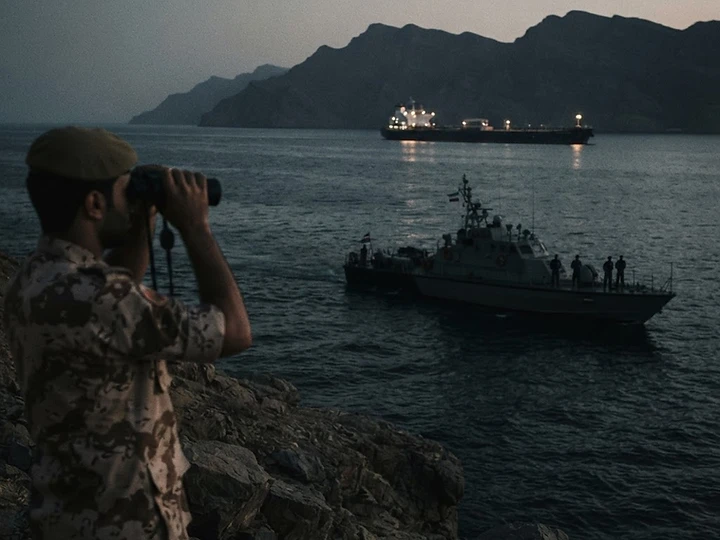
Recent reports indicate that while Iran and Oman have moved closer to a bilateral deal, the fine print remains a point of contention. The Strait of Hormuz, a critical artery for global oil transit, has become the focal point of a high-stakes diplomatic game. Iran's insistence on specific security guarantees has left international observers questioning the viability of the current negotiations.
The Economic Stakes
Global markets are reacting with characteristic volatility. Any disruption in the Strait of Hormuz would have immediate, cascading effects on oil prices and supply chains. For energy-dependent nations, the uncertainty is not merely a diplomatic headache but a direct threat to national economic stability.
Strategic Posturing
Analysts suggest that Iran's demands are a calculated move to assert regional dominance while navigating internal economic pressures. By leveraging the strategic importance of the waterway, Tehran is forcing major powers to the table. However, this strategy carries the risk of miscalculation, potentially inviting further sanctions or military posturing from Western allies.
The Path Forward
Diplomacy remains the only viable path to de-escalation. As the international community watches, the role of intermediaries like Oman becomes crucial. Whether this deal will stabilize the region or merely delay a larger confrontation remains the central question of the week.