
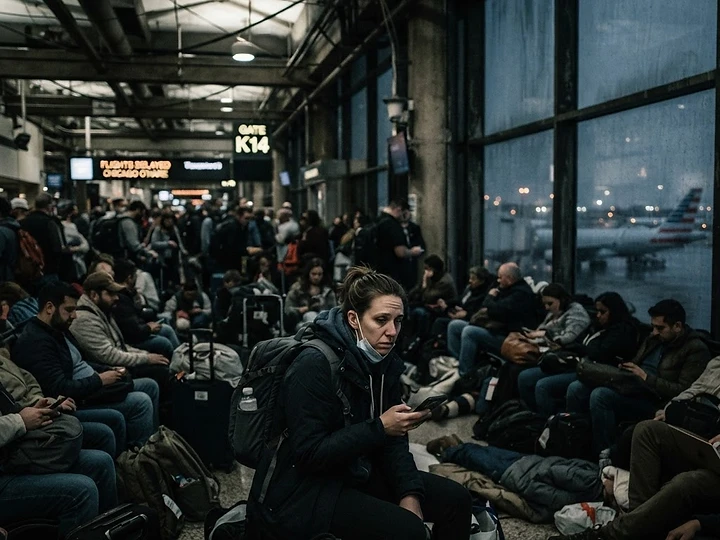
The Ripple Effect of Delays
Chicago O'Hare, one of the world's busiest aviation hubs, is currently experiencing a period of severe operational disruption. Reports of widespread flight delays have dominated travel news, impacting thousands of passengers and highlighting the fragility of modern air travel infrastructure. The current situation, characterized by cascading cancellations and long wait times, serves as a stark reminder of how localized weather or technical issues can paralyze national transit networks.
Root Causes and Operational Challenges
While aviation authorities often cite a combination of staffing shortages and unpredictable weather patterns, the frequency of these events at O'Hare suggests deeper systemic issues. The airport's complex runway configuration, while designed for efficiency, requires precise coordination that is easily disrupted by even minor deviations in scheduling. As airlines struggle to maintain their tight turnaround times, the margin for error has effectively vanished, leading to the current backlog.
The Passenger Experience
For the average traveler, the situation at O'Hare has become a logistical nightmare. Beyond the immediate frustration of missed connections, the economic impact on business travelers and the stress on families are significant. Industry analysts suggest that until there is a fundamental upgrade in air traffic control technology and a more robust approach to staffing, major hubs like O'Hare will continue to be the primary bottleneck in the American transportation system. Passengers are advised to monitor their flight status closely and prepare for potential rebooking scenarios.