
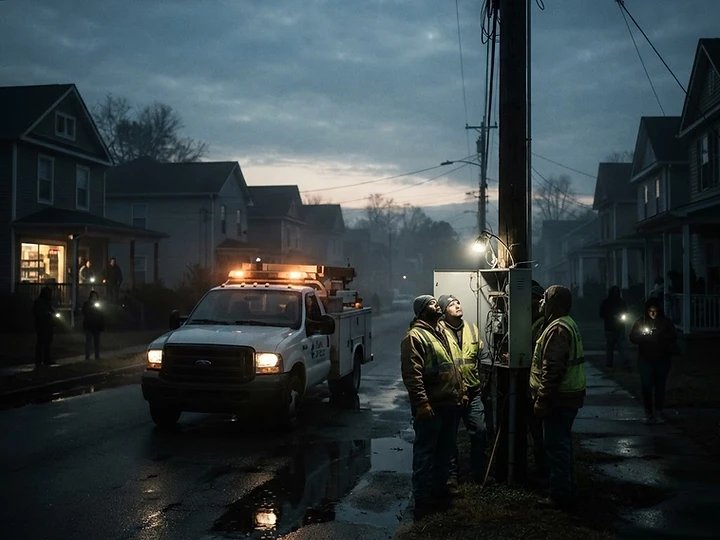
The Fragility of Modern Power
Recent reports of significant power outages, including those affecting major utility providers like Duke Energy and AEP, have once again brought the vulnerability of our national electrical infrastructure to the forefront of public consciousness. As millions of households and businesses find themselves without power, the conversation has shifted from mere inconvenience to a broader critique of grid reliability. The current infrastructure, much of which was designed for a different era of energy consumption and climate stability, is struggling to keep pace with modern demands.
The Climate Factor
It is no coincidence that these outages often coincide with extreme weather events. Whether it is intense heatwaves or severe storms, the stress placed on transmission lines and transformers is unprecedented. Experts argue that the 'business as usual' approach to grid maintenance is no longer sufficient. The integration of renewable energy sources, while necessary for long-term sustainability, adds a layer of complexity to grid management that requires significant investment in smart-grid technology and decentralized energy storage.
A Path Toward Modernization
To prevent future systemic failures, utility companies are under increasing pressure to accelerate their capital expenditure on grid hardening. This includes burying power lines, upgrading aging transformers, and deploying AI-driven predictive maintenance tools that can identify potential points of failure before they result in widespread blackouts. However, these upgrades come with significant costs, raising difficult questions about how these expenses will be balanced against consumer affordability. As we move forward, the reliability of our power grid will likely remain a central pillar of both economic policy and environmental strategy.


