
Why this is trending right now
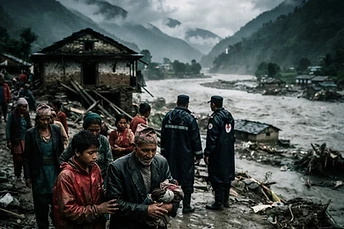
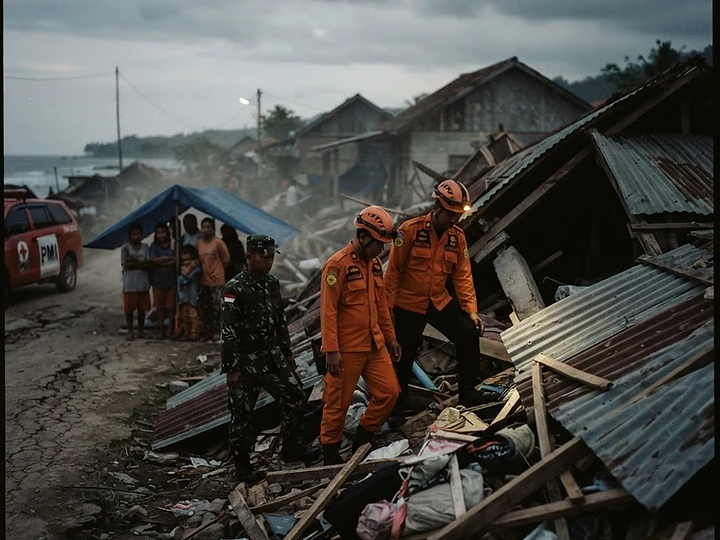
A 7.7-magnitude earthquake struck East Nusa Tenggara, Indonesia, resulting in at least 51 confirmed fatalities and widespread infrastructure damage. The event has triggered a massive mobilization of aid, with the Indonesian government and military coordinating relief efforts. The disaster is trending globally due to its high severity and its intersection with broader concerns regarding energy and food supply chain stability in the region, as reported by Trustur News and The World Now.
The last 24 hours: a timeline
Early in the day, seismic sensors recorded the 7.7-magnitude tremor in East Nusa Tenggara. By midday, local authorities confirmed the death toll had reached 47, with PLN reporting that power had been restored to 88 percent of affected customers. Within hours, international observers linked the disaster to broader regional instability, noting that the earthquake occurred amid ongoing tensions in the Strait of Hormuz and Black Sea, which are already straining global energy and food transit. By late evening, military relief operations were fully underway, and international aid organizations began mobilizing resources to support the affected provinces.
What could happen next
Recovery efforts will likely dominate the regional agenda for the coming weeks as the government assesses the full extent of structural damage to critical infrastructure. Based on current reports, the primary risk is the potential for secondary humanitarian crises if aid distribution is hampered by the region's complex geography. Furthermore, analysts are monitoring whether this disaster will exacerbate existing inflationary pressures on food and energy commodities, given that the region is a key node in global supply chains. The inference that this event will impact global markets is grounded in the observed correlation between regional instability and commodity price volatility reported by global monitoring services.
SOURCES — THE RECORD
- Major Global Security and Energy Crises Emerge Amid Strait of Hormuz Blockade and Indonesia EarthquakeTRUSTUR NEWS · trustur.ai
- Global Timeline: World Events Today, LiveTHE WORLD NOW · the-world-now.com
- Latest News & Updates: Breaking News, Headlines TodayBLOOMBERG · bloomberg.com