
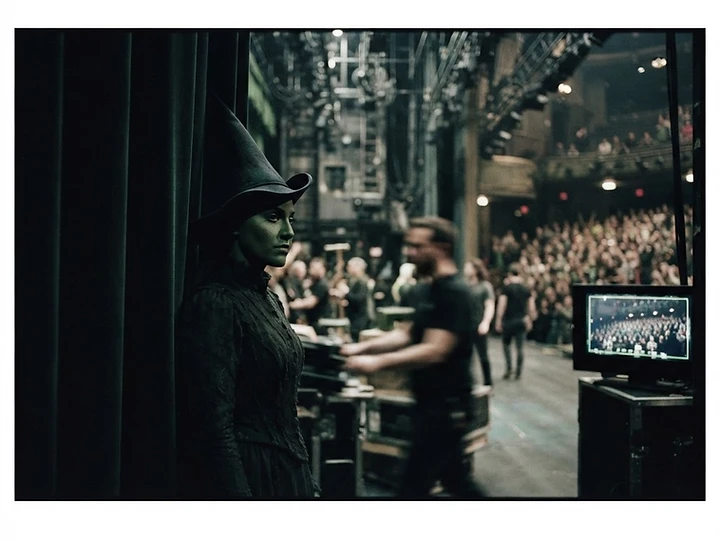
The Spectacle That Defied Fragmentation
In an entertainment ecosystem defined by fragmented niche feeds and algorithmic bubbles, creating a unified pop cultural event feels nearly impossible. Yet Universal Pictures achieved precisely that with its cinematic adaptation of Wicked. What began as a daring split-release strategy—dividing Stephen Schwartz and Winnie Holzman’s two-decade-old Broadway juggernaut into two feature films helmed by Jon M. Chu—has metastasized into the most comprehensive promotional juggernaut in modern Hollywood history.
From the moment Cynthia Erivo’s Elphaba and Ariana Grande’s Glinda first stepped into the emerald-lit lens, the production moved beyond conventional cinema marketing into the realm of lifestyle ubiquity. While studios have long relied on saturation, the sheer scale of the Wicked campaign represents an evolutionary leap. Universal Chief Marketing Officer Michael Moses openly described the operating thesis as aiming to be "just short of obnoxious" PCMA. In doing so, the studio acknowledged a vital shift: when audiences no longer share a single water cooler, a blockbuster must build the water cooler itself.
The Architecture of 400 Partnerships
The financial machinery underwriting this spectacle is staggeringly ambitious. Universal orchestrated promotional partner campaigns valued in excess of $330 million to $350 million, enlisting more than 400 global brand partners across consumer retail, luxury fashion, grocery aisles, and beauty counters NBCUniversal Media. Rather than relying on simple trailer drops, the studio saturated everyday life with distinctive pink-and-green visual cues.
From Mattel fashion dolls and boutique Sophia Webster heels to co-branded consumer goods spanning Target, Lush, and General Mills, the campaign made the film inescapable NBCUniversal Media. The brilliance of this partnership architecture lies in its cross-demographic targeting. A Gen-Z consumer engaged through Grande’s r.e.m. beauty line encounters the same underlying narrative as a suburban parent navigating home decor at Target or a cocktail lounge in Grand Central Station. By threading Oz's aesthetic into everyday routines, the campaign transformed passive moviegoers into active participants in a theatrical subculture long before opening night.
Camp, Chemistry, and the Engine of Memetics
No amount of corporate spend can manufacture genuine affection, however. The true secret weapon of the Wicked rollout was its organic internet currency. While many corporate campaigns wither under internet skepticism, Wicked flourished precisely because its stars leaned into theatrical earnestness and high camp.
The press circuit quickly mutated into an inexhaustible meme generator. Viral clips of Grande and Erivo holding space during interviews, grasping pinkies, and harmonizing impromptu vocal runs on red carpets were seized upon by TikTok and X NoGood. Instead of policing user-generated content or maintaining rigid brand reverence, the campaign let digital creators remix, parody, and amplify its emotional excesses. Fans embraced the performative sentimentality not as a flaw, but as the core appeal of classic Broadway melodrama translated to the social media age.
By releasing the original soundtrack concurrently and welcoming audio remixes, the production fueled a self-sustaining UGC cycle NoGood. What could have felt like an overbearing corporate barrage became an intimate in-joke among millions of online fans, seamlessly bridging Broadway traditionalists and mainstream pop stan culture.
The Blueprint for Post-Streaming Cinema
The lessons of Wicked reverberate far beyond the confines of Emerald City. For years, the film industry has fretted over the death of shared cultural touchstones, lamenting that streaming pipelines and hyper-targeted algorithms had permanently eroded the communal movie-going habit. Wicked proved that the monoculture is not dead; it simply requires far more intentional curation.
By treating the theatrical run not merely as a two-hour screening, but as a multi-year, multi-platform sensory installation, Universal successfully navigated the minefield of franchise fatigue NoGood. As theatrical models face relentless pressure to justify the price of a cinema ticket, Wicked demonstrated that spectacle alone is insufficient. Modern audiences demand immersion, emotional authenticity, and a shared communal language that follows them out of the multiplex and straight into the cultural fabric of daily life.


