
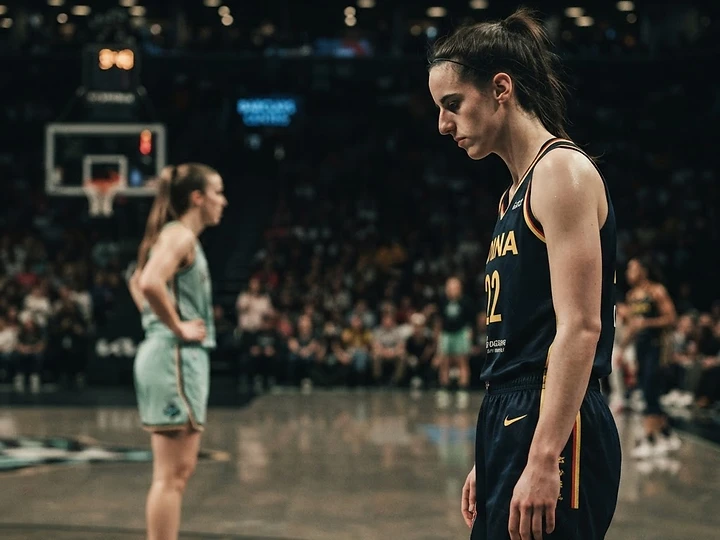
The Gravity of the Caitlin Clark Effect
The recent surge in search volume for the matchup between the New York Liberty and the Indiana Fever is more than just a spike in sports interest; it is a quantifiable shift in the American cultural zeitgeist. At the center of this phenomenon is Caitlin Clark, whose transition from collegiate stardom to the WNBA has brought an unprecedented level of scrutiny and investment to the league. The 'Clark Effect' is no longer a speculative theory but a documented economic force, driving ticket prices to record highs and forcing teams to move games to larger arenas to accommodate the influx of new fans.
The Commercialization of Rivalry
Historically, the WNBA has struggled with visibility, often relegated to secondary broadcast slots. However, the Liberty-Fever rivalry represents a new era of 'appointment viewing.' The New York Liberty, led by stars like Sabrina Ionescu and Breanna Stewart, represent the established elite of the league, while the Fever, anchored by Clark, represent the disruptive future. This narrative tension is exactly what sports media thrives on, creating a feedback loop of social media engagement, search interest, and broadcast revenue. The analytical data suggests that fans are not just watching the games; they are deeply engaged in the statistical comparisons and the personal narratives of the athletes, mirroring the engagement levels seen in the NBA.
Infrastructure and the Future of the League
This trend highlights a critical inflection point for the WNBA's infrastructure. The league is currently grappling with the logistical challenges of its own success. From charter flight controversies to the need for modernized practice facilities, the pressure is on the WNBA front office to match the growth of the product on the court. The search interest in 'Liberty vs Fever' often correlates with queries about ticket availability and broadcast rights, suggesting that the demand is currently outstripping the supply of accessible professional women's basketball content. As the league looks toward expansion, the data from this rivalry will serve as the blueprint for how to market and sustain a high-growth professional sports league in the digital age.


