
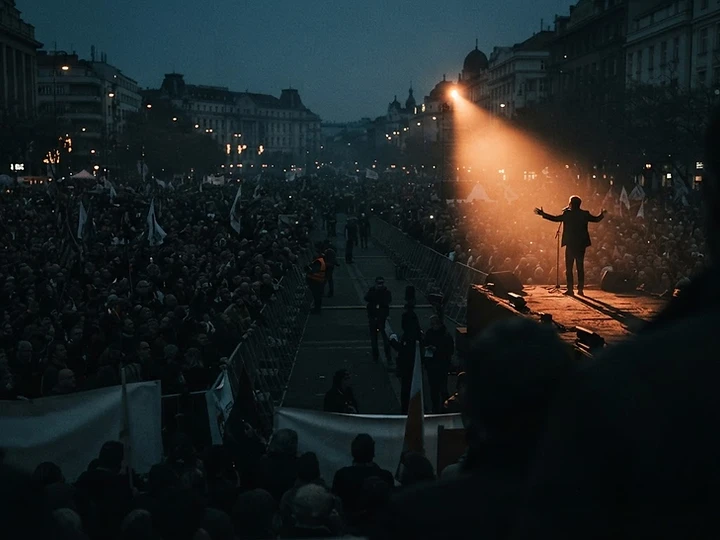
The Spark
It started, as these things often do, with a refused shift. A coordinator at an automated freight depot declined to extend a 14-hour window. By morning, the depot was silent, and so were two dozen linked facilities across three continents.
A Movement Without a Membrane
The remarkable feature of the 2026 strike wave is its architecture. There is no central committee, no charismatic spokesperson, no manifesto stapled to a factory gate. Instead, organizers describe a "membraneless" coordination — workers linked by shared scheduling software and a single, unifying grievance: that the velocity of algorithmic management has outpaced the dignity of the people it manages.
The machines schedule us to the second. They forgot we are not machines.
Why It Trended
Search interest surged as footage of the initial walkout spread, but the trend sustained itself on a darker question — could the supply chains that survived a pandemic survive a movement designed to break them? Economists note that the strike's leverage comes not from numbers but from precision: workers are targeting the narrow nodes where automation cannot yet substitute for human judgment.
The Afterlife of a Trend
Trends die when they become trivia. This one endures because it names a tension nearly everyone feels — the sense that optimization has become a synonym for extraction. Whether the movement formalizes into bargaining power or dissolves back into the noise of the feed, the strike has already altered the vocabulary of work. The algorithms, for once, are the ones being told to wait.


