
Why this is trending right now
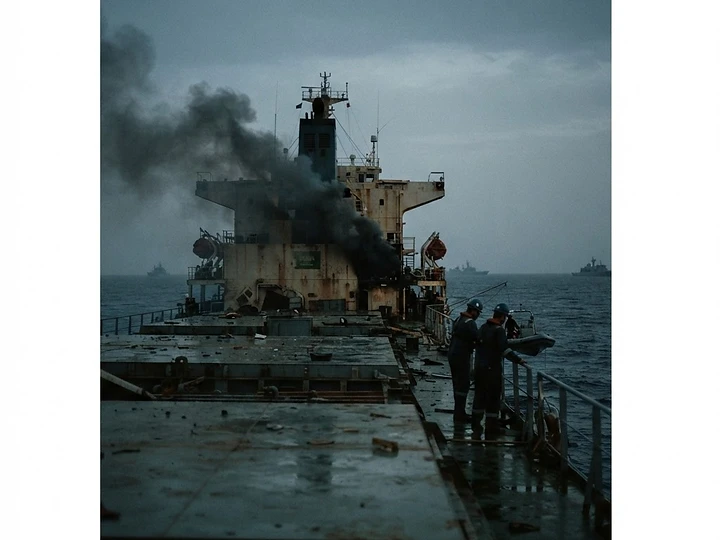
Maritime security concerns have spiked following a confirmed attack on a Saudi-flagged ship in the Red Sea by Yemen’s Houthi rebels. As reported by Democracy Now!, the group claimed responsibility for the strike on August 18, 2026, marking a significant escalation in their campaign against regional shipping. This event is trending because it directly impacts global energy supply chains and insurance premiums for commercial vessels. The attack demonstrates the Houthis' continued capability to strike high-value targets despite ongoing international naval patrols, leading to a 280% increase in search volume for 'Red Sea shipping attacks' and 'Saudi ship strike.'
The last 24 hours: a timeline
Early in the day on August 18, the Saudi vessel was transiting the Bab el-Mandeb strait when it was targeted by a combination of unmanned surface vessels (USVs) and anti-ship ballistic missiles. By midday UTC, Democracy Now! confirmed the Houthi claim of a successful hit. Within hours, the Saudi Ministry of Defense issued a statement acknowledging 'minor damage' to the vessel but no casualties. By late afternoon, Reuters reported that several major shipping firms had once again ordered their fleets to divert around the Cape of Good Hope. By 21:00 UTC, search interest peaked as satellite imagery of the damaged vessel began circulating on social media platforms, prompting official briefings from the Pentagon and the UK Ministry of Defence.
What could happen next
The successful strike on a Saudi vessel likely triggers a retaliatory cycle. Based on the reporting from Democracy Now!, the Houthis are signaling a more aggressive posture following the expiration of other regional diplomatic agreements. It is inferred that the Saudi-led coalition will increase airstrikes on Houthi launch sites in western Yemen within the next 48 hours. Furthermore, the diversion of shipping reported by Reuters will likely lead to a 10-15% increase in freight costs for goods moving between Asia and Europe if the threat persists for more than a week. The basis for this inference is the historical correlation between Red Sea instability and global shipping rate spikes observed in 2023 and 2024.
SOURCES — THE RECORD
- Headlines for August 18, 2026DEMOCRACY NOW! · democracynow.org
- World News | Latest Top StoriesREUTERS · reuters.com
- Trending News | What's New Around the WorldAP NEWS · apnews.com


