The Decentralized Energy Grid
Climate change is no longer just a topic for international summits; it is a driving force behind household consumer behavior. In 2026, we are seeing a massive surge in interest for sustainable energy solutions, from residential solar arrays to advanced battery storage systems. This shift represents a fundamental change in how we think about energy consumption.
The Economic Case for Sustainability
While environmental concerns are the primary driver, the economic argument is becoming increasingly compelling. With energy prices fluctuating, homeowners are looking for ways to insulate themselves from grid instability. Investing in sustainable technology is now seen as a long-term financial strategy rather than just an eco-friendly gesture.
Challenges to Adoption
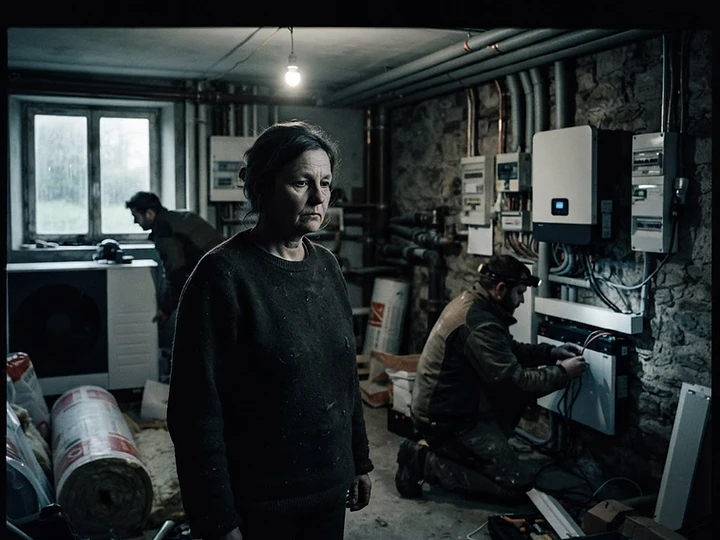
Despite the enthusiasm, significant barriers remain. The upfront cost of installation, the complexity of local regulations, and the need for skilled labor to maintain these systems are all hurdles that need to be addressed. Governments and private companies are beginning to collaborate on incentives to make these technologies more accessible to the average household.
A Sustainable Future
The trend toward household sustainability is a positive indicator of a broader societal shift. As more people take control of their energy production, the collective impact on carbon emissions could be substantial. The challenge for the coming years will be to scale these solutions effectively and ensure that the transition to green energy is equitable for all.


