
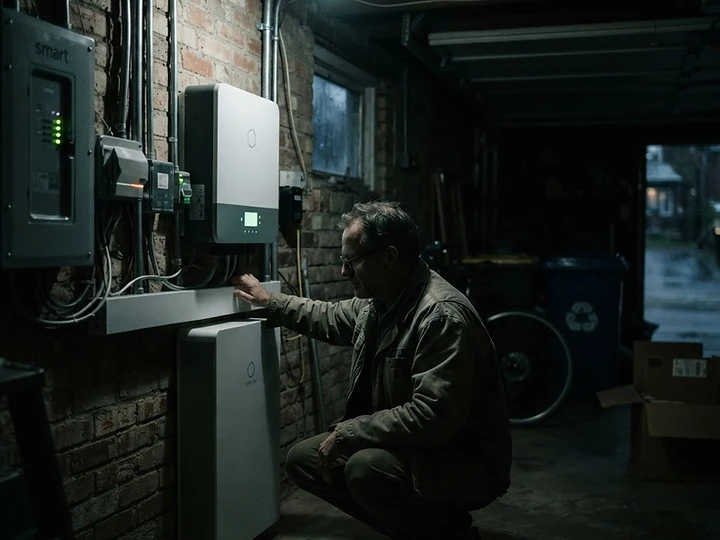
A significant shift is occurring in the global response to environmental challenges. Search data from 2026 reveals a massive surge in interest regarding "Climate Tech," specifically focused on household-level applications. This trend indicates that the conversation around sustainability has moved from abstract policy debates to practical, individual action. Consumers are no longer waiting for top-down solutions; they are actively seeking ways to transform their own homes into hubs of efficiency and renewable energy. This grassroots movement is reshaping the market for green technology and forcing manufacturers to prioritize consumer-friendly designs.
The Consumerization of Climate Action
The current search trends highlight a growing demand for residential solar, heat pumps, and advanced home energy management systems. This "consumerization" of climate technology is driven by a combination of environmental awareness and economic necessity. As traditional energy costs fluctuate and the effects of climate change become more tangible, the appeal of self-sufficiency becomes increasingly attractive. The data shows that users are researching the technical specifications and long-term ROI of these technologies with unprecedented detail, moving beyond simple interest into active procurement and installation phases.
Economic Drivers of Green Tech
Government incentives and tax credits have played a crucial role in this surge, but they are no longer the sole drivers. The falling cost of battery storage and the increasing efficiency of electric appliances have made green tech a viable financial decision for the middle class. We are seeing a transition where "going green" is no longer a luxury for the wealthy but a strategic move for homeowners looking to hedge against future energy volatility. The rise of decentralized finance and green loans has also lowered the barrier to entry, allowing more households to invest in high-efficiency upgrades that were previously out of reach.
The Path to Residential Sustainability
The long-term implications of this trend are substantial. As more households adopt these technologies, the strain on centralized power grids could decrease, leading to a more resilient and decentralized energy infrastructure. However, this shift also presents challenges, particularly regarding the equitable distribution of these technologies. Ensuring that the benefits of climate tech are accessible to all, not just those who can afford the upfront costs, will be the next major hurdle for policymakers and industry leaders alike. The current search momentum suggests that the public is ready for this transition; the challenge now lies in scaling the infrastructure to meet this unprecedented demand.


