
Geopolitical Tensions
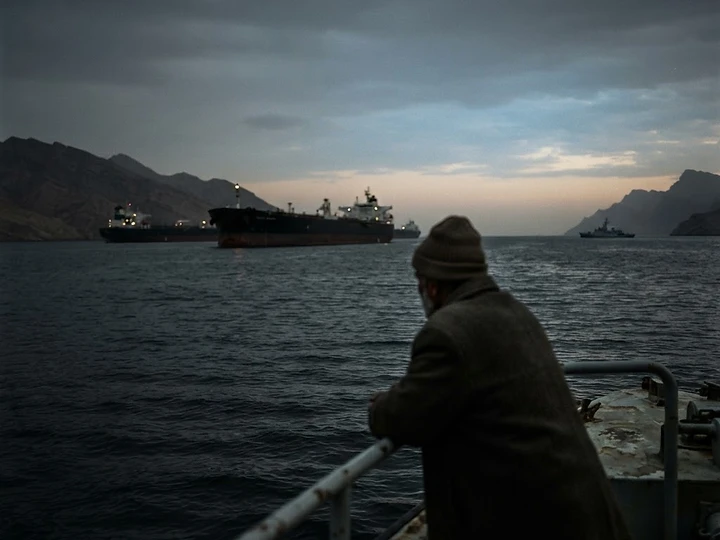
The global oil market is currently navigating a period of significant uncertainty, driven by the ongoing impasse regarding the Strait of Hormuz. As a critical chokepoint for global energy supplies, any disruption or threat of disruption in this region has immediate and profound effects on oil prices. The failure to reach a diplomatic resolution has left markets on edge, with traders closely monitoring every development.
Market Impact
Energy analysts suggest that the current price gains are a direct reflection of the risk premium being priced into the market. The uncertainty surrounding the security of supply routes has led to increased hedging activity and speculative trading. While global demand remains relatively stable, the supply-side risks are creating a volatile environment that is challenging for both producers and consumers. The situation is further complicated by the broader geopolitical landscape, where energy policy is increasingly intertwined with national security interests.
The Path Forward
As the international community continues to seek a diplomatic solution, the oil market will likely remain sensitive to any news from the region. The ability of major producers to manage supply and the effectiveness of international mediation will be the primary factors in determining the future direction of prices. For now, the market is in a 'wait and see' mode, with participants preparing for a range of potential outcomes. The stability of the global economy may well depend on the successful resolution of these complex negotiations.


