
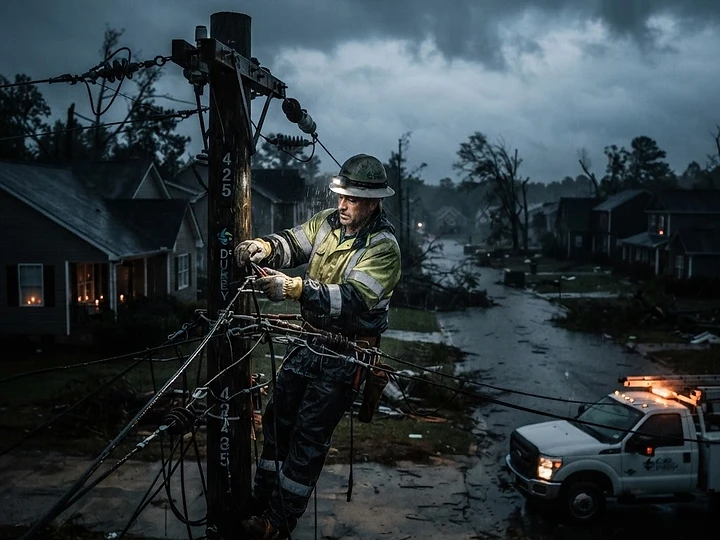
The Fragility of Modern Power
Recent power outages, such as those associated with Duke Energy and AEP, have brought the issue of grid reliability to the forefront of public discourse. As heatwaves become more frequent and intense, the strain on electrical infrastructure is reaching a breaking point. The current grid, much of which was designed for a different climate reality, is struggling to balance the surge in demand from air conditioning and industrial cooling with the intermittent nature of renewable energy integration.
Infrastructure Under Pressure
It is not merely a matter of capacity; it is a matter of resilience. The transition to a decentralized energy model, while necessary for long-term sustainability, introduces complexities in load balancing that utility providers are still learning to manage. When a major node in the grid fails, the cascading effect can leave millions in the dark, highlighting the vulnerability of our interconnected systems. The reliance on legacy hardware, combined with the slow pace of grid modernization, creates a dangerous gap between supply and demand.
The Path Toward a Smarter Grid
To prevent future outages, investment must shift from reactive maintenance to proactive hardening. This includes the deployment of smart grid technologies that can automatically reroute power during localized failures and the expansion of large-scale battery storage to buffer against peak demand. However, these solutions require significant capital expenditure and political will. As we look toward the future, the question is not whether we can afford to upgrade our infrastructure, but whether we can afford the economic and social costs of inaction.