
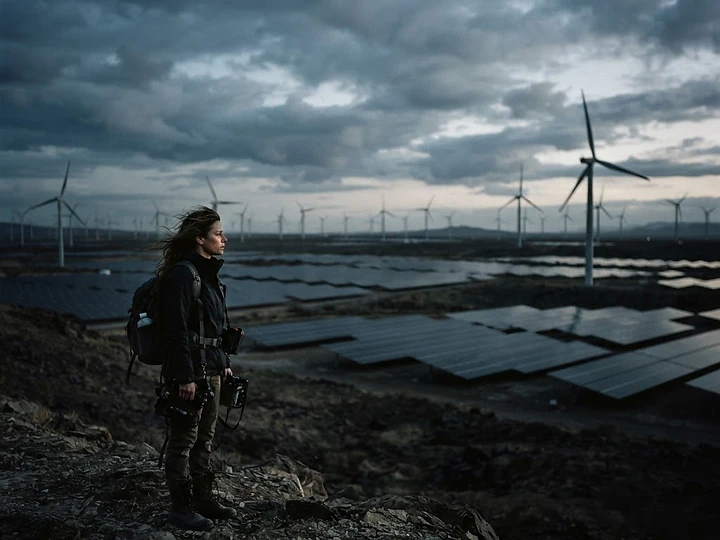
The Urgency of Transition
The global transition to sustainable energy is no longer a distant goal; it is an immediate necessity. With climate change manifesting in increasingly severe weather events, the pressure on governments and corporations to decarbonize has never been higher. The search for viable alternatives to fossil fuels—ranging from advanced solar and wind technologies to green hydrogen and modular nuclear reactors—is dominating the global discourse and driving massive investment into the green economy.
Technological Innovation
Innovation is the engine of this transition. We are seeing breakthroughs in battery storage, grid management, and carbon capture that were considered science fiction just a decade ago. These technologies are not only essential for reducing emissions but are also creating new industries and job markets. The challenge lies in scaling these solutions rapidly enough to meet the ambitious targets set by international climate agreements, while ensuring that the transition is equitable and affordable for all.
Policy and Global Cooperation
Technology alone cannot solve the climate crisis; it requires robust policy frameworks and international cooperation. The shift toward sustainable energy is as much a political challenge as it is a technical one. As nations compete to lead in the green energy sector, the need for shared standards and collaborative research has become paramount. The path forward is complex, but the momentum behind the sustainable energy movement suggests that the world is finally beginning to treat the climate crisis with the seriousness it demands.


