
Why this is trending right now
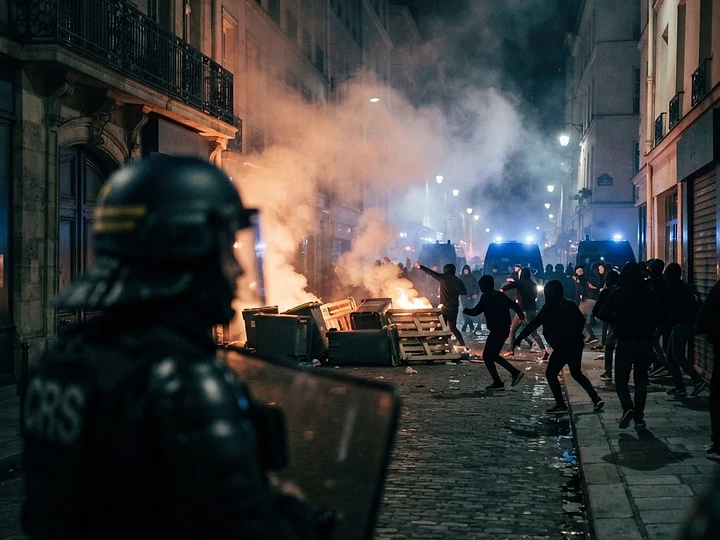
France is currently experiencing a significant wave of civil unrest, with over 500,000 individuals participating in protests that have escalated into widespread violence. The intensity of these demonstrations has forced a direct response from the French government, with President Emmanuel Macron publicly denouncing the nature of the clashes as "unbridled" violence. The scale of the mobilization indicates deep-seated societal friction, drawing international attention to the stability of the current administration's policy agenda.
The last 24 hours: a timeline
Early in the day on October 19, 2026, reports confirmed that the protests had reached a critical mass, with half a million people taking to the streets. By midday, the situation in several major urban centers deteriorated as peaceful demonstrations transitioned into violent confrontations with security forces. Throughout the afternoon, local authorities struggled to contain the spread of the unrest, leading to a series of clashes that have been documented by international observers. By the evening, President Macron issued a formal statement condemning the violence, marking a shift in the government's posture toward the protesters.
What could happen next
Future developments depend on the government's ability to de-escalate the situation without further inflaming public sentiment. If the violence continues, the administration may face increased pressure to implement emergency measures or initiate a dialogue with protest leaders. Analysts observe that the government's current strategy relies on maintaining order while attempting to isolate the most radical elements of the movement. The trajectory of these events will likely influence upcoming legislative sessions, as the political cost of the unrest continues to rise for the ruling party.
SOURCES — THE RECORD
- 5 stories you might have missed, Oct 19, 2026THE STRAITS TIMES · straitstimes.com
- Technology NewsCNBC · cnbc.com
- World NewsTHE TIMES · thetimes.com


