
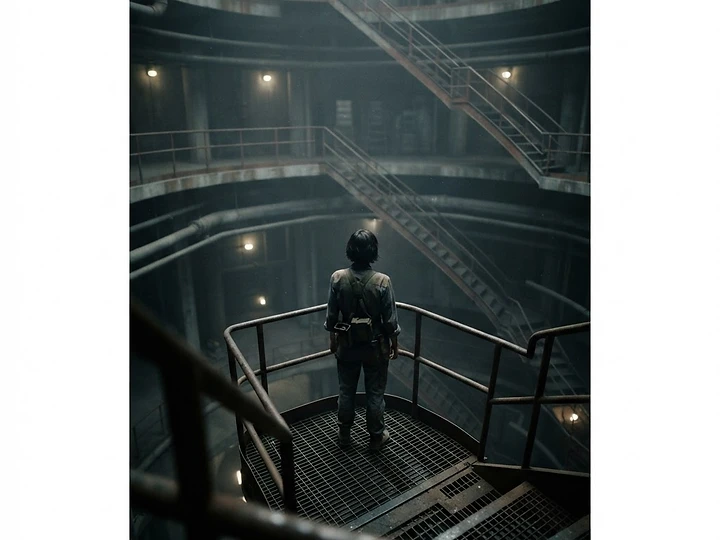
The Architecture of an Ending
In the landscape of modern prestige television, few shows have managed to balance the weight of world-building with the propulsive momentum of a mystery-box thriller quite like Apple TV’s Silo. As the dust settles on a gripping third season, the cultural conversation has shifted from speculation to anticipation. With the official announcement that the fourth season, premiering July 9, 2027, will serve as the series' final chapter, the show has entered a rare phase of narrative clarity: the endgame is locked, the cameras have stopped rolling, and the audience knows exactly when the bunker doors will finally swing open for the last time.
Converging Timelines
Season 3 of Silo took a bold narrative risk by splitting its focus between the claustrophobic, rebellion-torn present of Juliette Nichols (Rebecca Ferguson) and the haunting 'Before Times' that birthed the silo project. This dual-timeline structure, which initially drew comparisons to complex sci-fi epics, culminated in a finale that masterfully bridged the gap between the past and the future. By bringing the character of Daniel—now transformed into the cold, analytical enforcer 'Troy'—face-to-face with Juliette, showrunner Graham Yost has set the stage for a definitive confrontation. The revelation that the 'algorithm' governing the silos is not a machine, but a human operator, has fundamentally altered the stakes of the series, turning a story of survival into a direct conflict between the architects of oppression and those fighting for the truth.
The Power of a Locked Script
One of the most fascinating aspects of Silo's production is its commitment to a pre-determined conclusion. Unlike many streaming series that suffer from 'middle-season bloat' or are forced to pivot due to shifting network priorities, Silo was renewed for its final two seasons simultaneously in 2024. Because filming for the fourth season wrapped in March 2026, the creative team has been able to spend over a year refining the visual effects and pacing of the final episodes. This production model—shooting seasons back-to-back—has insulated the show from the common pitfalls of reactive writing. Fans can rest assured that the finale is not a product of last-minute panic, but a carefully orchestrated conclusion that has been in the works for years.
A Legacy of Dystopian Storytelling
As we look toward the summer of 2027, Silo stands as a testament to the enduring appeal of high-concept dystopian fiction. By grounding its massive, world-altering stakes in the intimate, often messy chemistry of its characters, the show has carved out a unique space in the streaming ecosystem. Whether it is the haunting mystery of the 'cleaning' rituals or the tragic loss of memory that defines the life of an enforcer, the series has consistently asked its audience to consider the cost of order. With the final season looming, the question is no longer just about what lies outside the silo, but what remains of the humanity trapped within it. As the countdown to July 9 begins, the discourse surrounding the show remains as intense as ever, proving that even in a world of endless content, a well-told story with a clear destination still commands the cultural spotlight.


