
The Ripple Effect
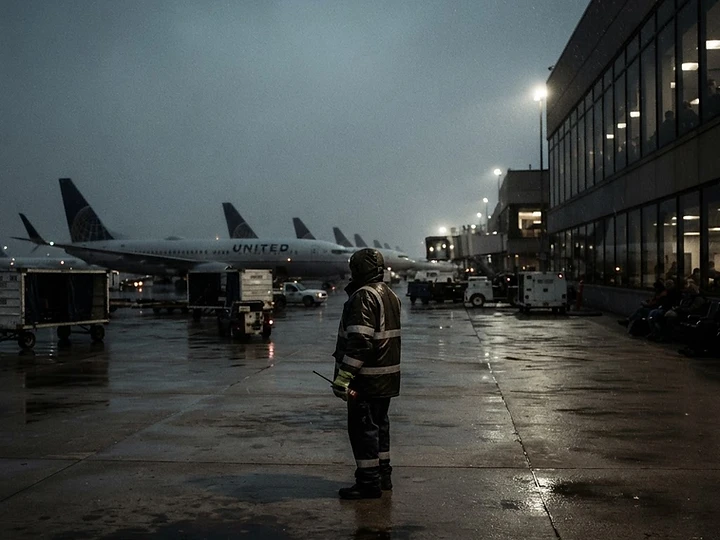
Travelers across the United States faced significant delays today as a sudden ground stop was issued for O'Hare International Airport. The disruption, which halted incoming and outgoing flights, serves as a stark reminder of the fragility of the nation's air traffic control infrastructure. As one of the world's busiest transit hubs, any failure at O'Hare creates a cascading effect that impacts flight schedules across the entire continent.
Investigating the Cause
The Federal Aviation Administration (FAA) has yet to provide a comprehensive explanation for the technical failure that necessitated the ground stop. However, industry analysts suggest that the incident highlights the ongoing struggle to modernize aging systems that manage increasingly complex flight paths. While safety remains the primary objective, the economic cost of such disruptions is substantial, affecting thousands of passengers and disrupting supply chains that rely on air freight.
The Path to Modernization
This incident is likely to reignite the debate over federal funding for aviation infrastructure. As air travel demand continues to climb, the reliance on legacy systems becomes an increasingly untenable risk. Policymakers are under pressure to accelerate the implementation of next-generation air traffic management technologies to prevent future bottlenecks. Until these upgrades are fully realized, the aviation sector remains vulnerable to the kind of systemic failures witnessed today.


