
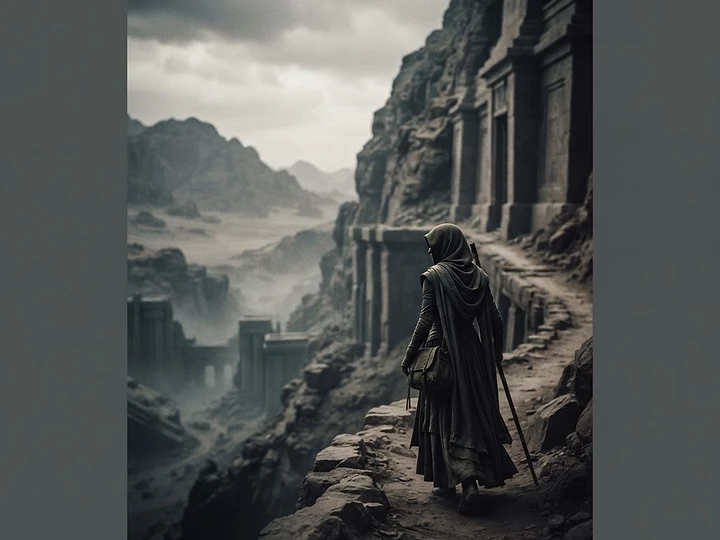
The Bene Gesserit Origins
When Denis Villeneuve brought Frank Herbert’s seminal work to the big screen, he did more than just adapt a novel; he reignited a cultural obsession with the spice-laden sands of Arrakis. However, the true test of a franchise’s longevity lies in its ability to expand beyond the central narrative of Paul Atreides. Enter Dune: Prophecy, the HBO prequel series that has carved out its own niche by exploring the shadowy, calculated origins of the Bene Gesserit sisterhood. Set 10,000 years before the rise of the Lisan al-Gaib, the series offers a masterclass in political intrigue and religious manipulation, proving that the Dune universe is vast enough to sustain multiple timelines.
A Strategic Expansion
Legendary Entertainment’s strategy for the Dune franchise has been nothing short of surgical. By balancing the high-octane, cinematic spectacle of the main film trilogy with the slow-burn, character-driven mystery of Dune: Prophecy, the studio has successfully transformed a niche literary property into a year-round cultural experience. The decision to greenlight a second season of the prequel series, despite the inevitable comparisons to the films, highlights a shift in how streaming platforms manage prestige IP. It is no longer enough to have one hit; you must build a cohesive ecosystem that keeps audiences engaged during the long gaps between blockbuster releases.
Navigating the 2027 Landscape
As we look toward 2027, the landscape for Dune: Prophecy becomes increasingly complex. With the final installment of Villeneuve’s film trilogy slated for late 2026, the television series will have the unique responsibility of carrying the torch forward. The scheduling is deliberate, designed to give the cinematic conclusion the space it needs to dominate the cultural conversation before the series returns to deepen the lore. This staggered release model is a testament to the confidence HBO has in the property, even as it faces stiff competition from other high-budget fantasy and sci-fi projects.
The Future of the Sisterhood
Critics and fans alike have noted that Dune: Prophecy is not merely a retread of the films. It is a distinct exploration of power, gender, and the long-term consequences of prophecy. By focusing on the Sisterhood, the show provides a necessary counterpoint to the hero-centric narrative of the main films. As production wraps on the second season, the anticipation is palpable. Whether the series can continue to balance its revisionist approach with the expectations of die-hard fans remains to be seen, but one thing is certain: the Dune universe is no longer just a story about a desert planet. It is a sprawling, multi-generational epic that has firmly cemented itself as the definitive sci-fi franchise of the decade.


