
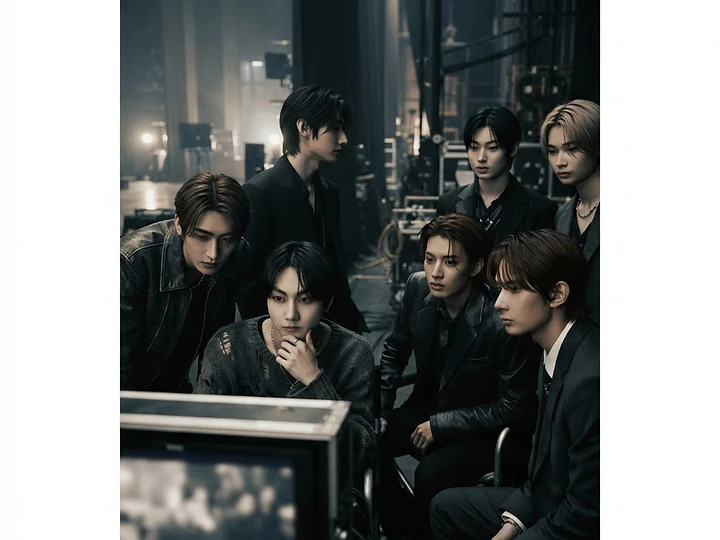
The Cinematic Pivot in K-Pop
In the rapidly evolving landscape of global entertainment, the line between music video and feature-length narrative is blurring. This week, the release of ENHYPEN’s 'THE SIN : PARALLEL WORLD' concept film has captivated audiences, marking a significant milestone in how K-pop acts engage with their fanbases. Rather than relying solely on performance-based visuals, the group has leaned into high-concept, atmospheric storytelling that demands a deeper level of audience investment.
This trend is not an isolated incident but part of a broader movement where artists are acting as architects of expansive, multi-platform universes. By crafting 'parallel worlds' and intricate lore, groups like ENHYPEN are transforming the passive act of listening into an active, investigative experience. Fans are no longer just consumers of a track; they are participants in a digital scavenger hunt, decoding symbols and narrative threads that span across social media, concept films, and live performances.
Beyond the Music Video
For years, the K-pop industry has been a pioneer in high-production music videos, but the current shift toward 'concept cinema' represents a maturation of the medium. The visual language used in these projects—often dark, surreal, and deeply symbolic—mirrors the aesthetic sensibilities of prestige television and independent film. This approach allows artists to explore complex themes of identity, destiny, and existential dread, providing a richer context for their music.
Industry analysts suggest that this pivot is a direct response to the 'attention economy.' In an era where viral moments are ephemeral, building a cohesive, long-term narrative provides a 'sticky' factor that keeps fans engaged for months, if not years. The success of these projects is measured not just in views, but in the depth of community discourse and the proliferation of fan-led theories that populate platforms like TikTok and X.
The Global Impact of Narrative Lore
This narrative-first approach has profound implications for the global music industry. As Western pop continues to grapple with the fragmentation of audiences, the K-pop model of 'world-building' offers a blueprint for sustained relevance. By treating their discography as a continuous story, artists can foster a sense of intimacy and shared history with their listeners.
However, this intensity comes with its own set of challenges. The pressure to maintain a consistent, high-quality narrative across all touchpoints requires immense resources and creative coordination. As we look toward the future of entertainment, it is clear that the most successful artists will be those who can effectively bridge the gap between the sonic and the cinematic, turning every release into an event that feels both personal and epic in scale. The 'Parallel World' of ENHYPEN is just the beginning of a new chapter in how we experience pop culture.


