
The Sound of Absence
A broadcast this season carried, for ten seconds, only the sound of shoes on hardwood. The crowd, absent for reasons no single headline can contain, had become the story the sport could not avoid.
The Attendance Collapse
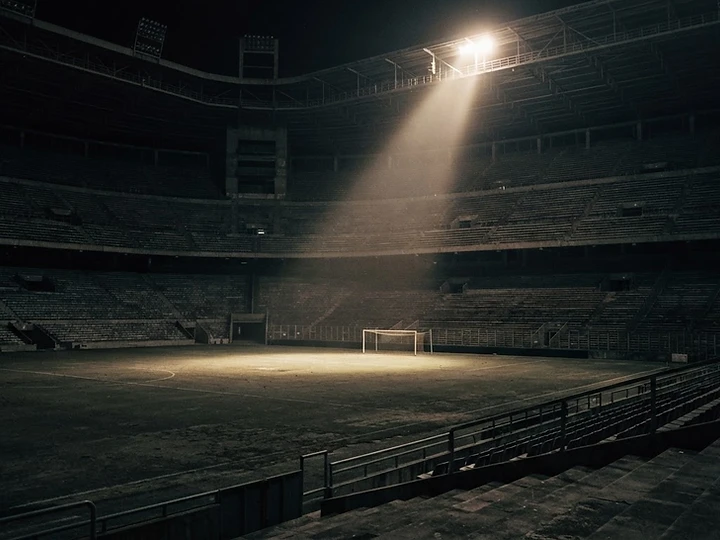
It is not one cause but a convergence. Ticket prices that long ago detached from wages; a generation that found its community online rather than in the stands; a calendar so saturated that no match feels rare. The result is arenas built for roar, filled with murmur.
A stadium is an instrument. Without a crowd, it is out of tune.
Why It Trended
The trend broke when a club published, in unusual honesty, its attendance against its capacity. The graph was not a scandal. It was a mirror. Other clubs, quietly, had the same graph and had simply not drawn it.
Who Pays for the Silence
The economics of empty arenas are brutal and specific. Concession revenue vanishes; broadcast deals, indexed to atmosphere, come under review; the subsidy of the stadium — often public — is suddenly harder to justify. Some franchises are experimenting with radical price cuts, treating tickets as loss leaders for a product that is, fundamentally, the crowd itself.
What Sport Becomes
There is a version of the future in which the in-person crowd becomes boutique — small, expensive, self-selecting — while the mass audience lives entirely on screens. Whether that is a tragedy or simply a migration depends on whether you believe a crowd is a participant or a witness. The empty arena, for now, is asking the question loudly enough for the whole industry to hear.


