
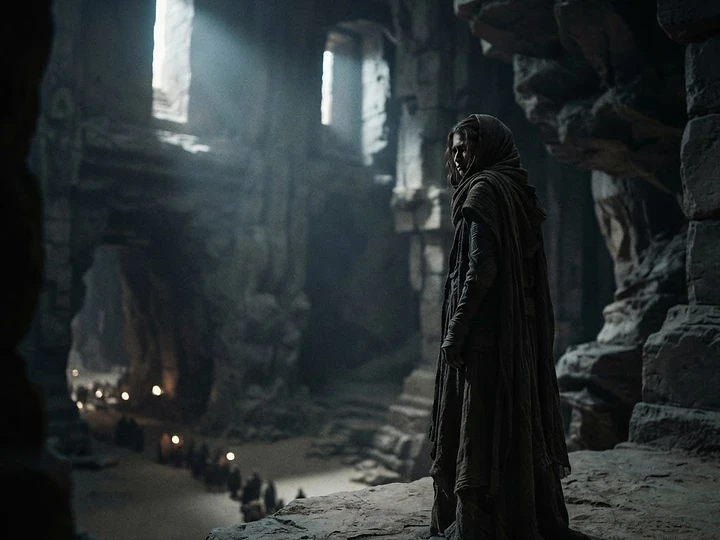
The Expanding Universe of Arrakis
In the landscape of modern science fiction, few intellectual properties have managed to sustain the cultural gravity of Frank Herbert’s Dune. As we move into the final months of 2026, the franchise is experiencing a unique convergence of momentum. With the final trailer for Dune: Part Three having recently dropped, signaling the conclusion of Denis Villeneuve’s cinematic trilogy, the spotlight has shifted toward the television arm of the universe: Dune: Prophecy.
While the films have captured the grand, operatic scale of Paul Atreides’ journey, Dune: Prophecy has carved out a distinct niche by exploring the political machinations of the Bene Gesserit. Set roughly 10,000 years before the rise of the Kwisatz Haderach, the series serves as a vital bridge for fans looking to understand the foundational power structures of the Imperium. As production on the second season continues across Hungary, Jordan, and Spain, the show is poised to become more than just a companion piece—it is becoming a cornerstone of the franchise’s long-term strategy.
A Strategic Shift in Storytelling
HBO’s decision to prioritize the development of Dune: Prophecy alongside the film releases reflects a broader industry trend: the creation of 'shared universes' that function independently while feeding into a central narrative core. Unlike the films, which are bound by the tight pacing of the source material, the series has the luxury of time. By focusing on the origins of the Sisterhood, the show provides the necessary context for the 'truthsayers' and political schemers that audiences have come to recognize in the films.
Recent updates suggest that the second season will lean heavily into the importance of Arrakis, potentially aligning its narrative trajectory with the events leading into the final film. This synchronization is not accidental. By keeping the Dune brand in the cultural conversation through both high-budget cinema and serialized television, Warner Bros. and HBO are ensuring that the appetite for spice-fueled intrigue remains insatiable.
The Future of the Franchise
As we look toward 2027, the synergy between the screen and the page is more apparent than ever. With new graphic novel adaptations of Dune Messiah and continued interest in the expanded literary universe, the Dune ecosystem is thriving. The challenge for Dune: Prophecy in its second season will be to maintain its own identity while satisfying the expectations of a fanbase that has been conditioned by the visual spectacle of the films.
If the early buzz and the casting additions—including heavyweights like Indira Varma and Tom Hollander—are any indication, the series is doubling down on the 'Game of Thrones-level' political chicanery that defined its first outing. For viewers, the wait for the next chapter is not merely a delay; it is a period of anticipation for a deeper, more complex exploration of a universe that continues to redefine the boundaries of epic science fiction.


