
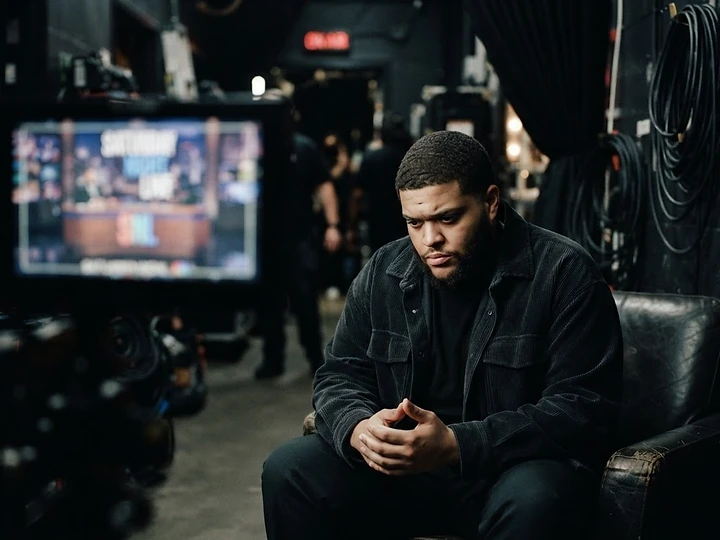
A New Era for Late Night Comedy
Saturday Night Live has long served as the ultimate litmus test for comedic relevance, and this weekend, the show turned its spotlight toward the digital-first generation. Comedian and internet personality Druski took the stage as host, marking a significant shift in how the legendary sketch show bridges the gap between traditional broadcast television and the rapid-fire world of social media content creation. His appearance was not merely a guest spot; it was a cultural validation of the 'creator economy' that has been steadily encroaching on Hollywood’s traditional gatekeeping.
The Viral Monologue and the Stone Factor
The highlight of the evening was undoubtedly the monologue, which saw Druski lean into his signature brand of observational, high-stakes humor. However, the segment reached a fever pitch when Academy Award-winning actress Emma Stone crashed the stage. The chemistry between the two was immediate and electric, providing a masterclass in how legacy stars can leverage the chaotic energy of modern internet celebrities to revitalize their own public personas. The clip of their interaction has since become the most-shared moment of the weekend, proving that the 'SNL' stage remains a potent engine for viral content.
Bridging the Digital Divide
Druski’s hosting gig comes at a time when the entertainment industry is grappling with the sustainability of traditional media. As audiences migrate toward platforms like TikTok and YouTube, 'SNL' has faced the challenge of remaining relevant to a demographic that consumes comedy in 60-second bursts. By inviting a host whose career was built on viral sketches and social media engagement, the show is signaling a strategic pivot. It is an acknowledgment that the future of entertainment is no longer top-down, but rather a collaborative ecosystem where digital creators and established stars share the spotlight.
The Impact on Future Programming
Industry analysts are already pointing to this episode as a blueprint for future seasons. The success of the Druski-Stone pairing suggests that the 'SNL' writers' room is increasingly looking to integrate the specific, niche humor of the internet into the broader, sketch-based format of the show. While some purists may argue that this dilutes the show's traditional prestige, the numbers tell a different story. Engagement metrics from the weekend show a massive spike in interest among younger viewers, a demographic that has historically been difficult for late-night television to capture. As we look toward the remainder of the season, the question remains: will this be a one-off experiment, or is this the new standard for Saturday night entertainment?


