Why this is trending right now
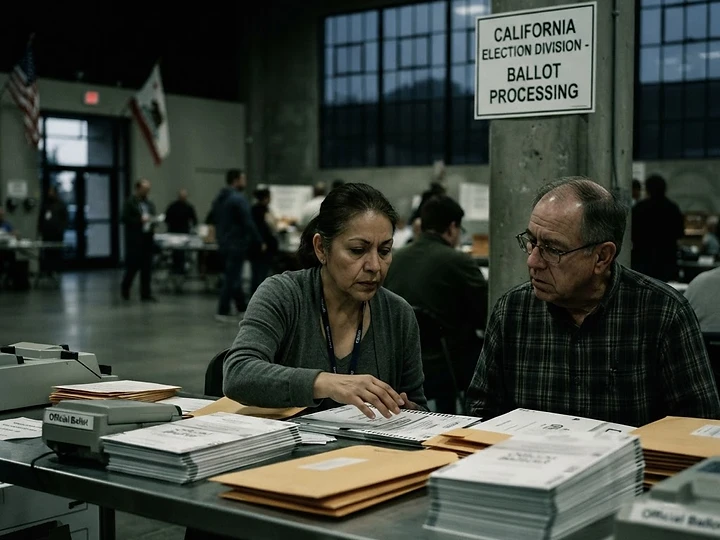
The Department of Justice has formally demanded that California election officials separate approximately 20,000 ballots identified as potentially belonging to noncitizens. This directive, issued on October 24, 2026, requires counties to verify the status of these ballots within a 48-hour window. The move follows a broader administration effort to block the counting of these specific ballots, citing concerns over voter roll accuracy and election security. Local officials, including those in affected counties, have expressed concern regarding the feasibility of the timeline and the reliability of the lists provided by federal authorities.
The last 24 hours: a timeline
Early on October 24, reports emerged that the DOJ had initiated legal action against California to prevent the inclusion of the contested ballots in the final count. By midday, county election officials publicly questioned the methodology behind the federal lists, noting that previous attempts to identify noncitizen voters have been flagged as unreliable by independent analysts. Throughout the afternoon, legal experts and local administrators debated the administrative burden of the 48-hour verification mandate. As of late evening, the standoff remains unresolved, with local officials emphasizing their commitment to existing legal verification processes while facing federal pressure to expedite the segregation of the ballots.
What could happen next
The immediate future depends on the response of California’s judicial system to the DOJ's request for an injunction. If a judge grants the request, counties will be forced to divert significant resources to isolate the ballots, potentially delaying the overall canvassing process. If the court denies the request, the state will likely proceed with standard verification procedures, setting the stage for a prolonged legal battle over federal versus state authority in election administration. The reliability of the underlying data used by the DOJ will likely become a central point of contention in upcoming court filings, as local officials continue to argue that the federal lists risk disenfranchising eligible voters.
SOURCES — THE RECORD