Why this is trending right now
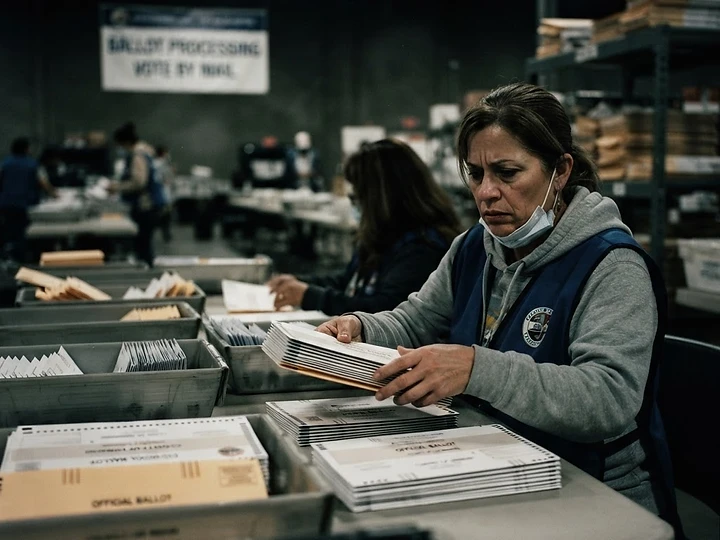
The Department of Justice has formally demanded that California counties identify and separate approximately 20,000 ballots cast by individuals flagged as potential noncitizens. This directive, issued on October 24, 2026, mandates compliance within a 48-hour window. The move follows a broader push by the Trump administration to block the counting of these specific ballots, citing concerns over voter roll accuracy and election security. Local election officials, including those in affected counties, have publicly challenged the reliability of the lists provided by federal authorities, warning that the process risks disenfranchising eligible voters.
The last 24 hours: a timeline
Early on October 24, reports emerged that the DOJ had initiated legal pressure on California election officials. By midday, the administration’s lawsuit to block the counting of the 20,000 contested ballots gained national attention. Throughout the afternoon, county clerks expressed public resistance, with some officials stating they are already meticulous in protecting voter rolls and fear the federal mandate creates an undue target on their operations. By evening, legal analysts began highlighting the conflict between federal oversight and state-level election administration, noting that previous attempts to use these specific noncitizen lists have been criticized as unreliable.
What could happen next
If California counties fail to comply with the 48-hour deadline, the DOJ is expected to seek an emergency injunction in federal court to halt the processing of the contested ballots. The outcome of this litigation will likely hinge on whether the court finds the federal government's evidence of noncitizen registration sufficient to override state election procedures. If the court sides with the DOJ, it could set a precedent for federal intervention in state-run ballot counting processes in the final days before the election. Conversely, if the court denies the request, the ballots will likely be counted as part of the standard tally, potentially intensifying the political rhetoric surrounding election integrity in the final stretch of the 2026 midterms.
SOURCES — THE RECORD