
Why this is trending right now
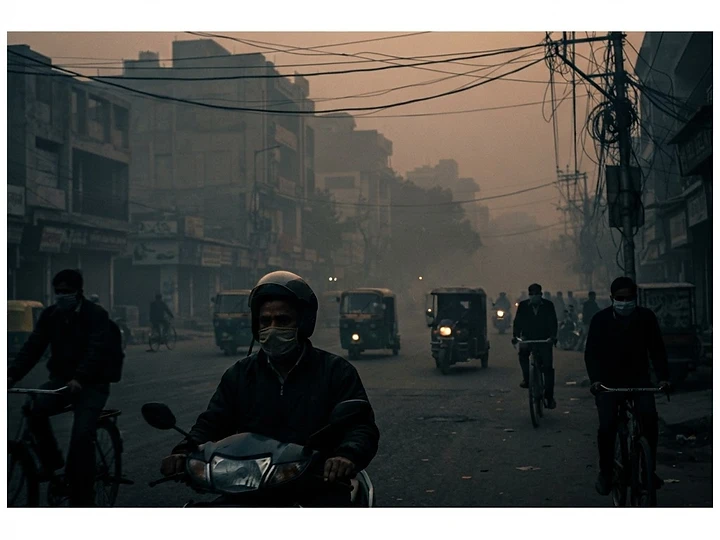
The surge in search interest for Delhi's Air Quality Index (AQI) is directly linked to the severe degradation of air quality in the national capital following Diwali. The spike in pollution levels is attributed to the widespread use of firecrackers despite existing bans, combined with unfavorable meteorological conditions that trap pollutants in the atmosphere. Official data from environmental monitoring agencies confirms that AQI levels have entered the 'severe' category, posing immediate health risks to residents.
The last 24 hours: a timeline
Early in the day on November 8, air quality monitors across Delhi began recording a sharp increase in particulate matter (PM2.5 and PM10) concentrations. By midday, the cumulative effect of firecracker emissions from the previous night resulted in a thick blanket of smog covering the city. Throughout the afternoon, public concern intensified as visibility dropped significantly, leading to a massive increase in search queries regarding health advisories and AQI readings. By the evening of November 9, local authorities were forced to address the worsening situation as the smog persisted, keeping the topic at the top of regional search trends.
What could happen next
Based on historical patterns and current meteorological forecasts, the smog is likely to persist for several days unless wind speeds increase to disperse the pollutants. The Delhi government is expected to implement emergency measures under the Graded Response Action Plan (GRAP), which may include restrictions on construction activities and the entry of heavy vehicles into the city. Public health officials are likely to issue further advisories recommending that vulnerable populations, including children and the elderly, limit outdoor exposure. The effectiveness of these measures will depend on both enforcement and weather conditions, which remain the primary variables in the short-term outlook.
SOURCES — THE RECORD
- Google Trends: Delhi AQI Tops Search Charts as Thick Smog Engulfs National Capital After Diwali Firecracker CelebrationsMASHABLE INDIA · in.mashable.com
- Air Quality Index (AQI) BasicsAIRNOW · airnow.gov
- Graded Response Action Plan for Delhi-NCRCENTRAL POLLUTION CONTROL BOARD · cpcb.nic.in


