
Why this is trending right now
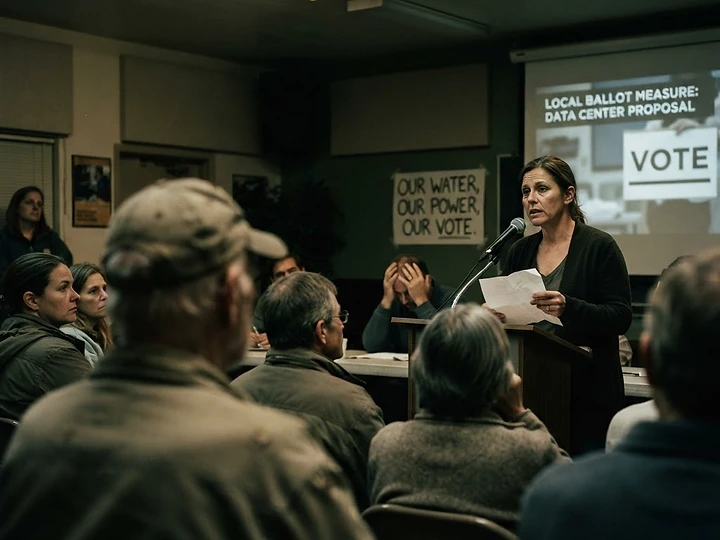
Public pushback against artificial intelligence infrastructure reached municipal and state electoral debates after reports highlighted severe local resource strains. According to reporting from the Los Angeles Times, rapid expansion of large-scale computational facilities has generated acute anxiety over grid stability, water consumption, and residential utility inflation. Search queries expanded as voters in California and regional primary districts began questioning zoning approvals and tax abatements granted to high-density server campuses.
The last 24 hours: a timeline
Early in the day, civic watchdog groups published municipal energy filings showing that proposed hyperscale facilities in central California could consume power equivalent to tens of thousands of single-family residences. Local ratepayer advocates warned that existing infrastructure upgrades are shifting capital costs onto consumer utility bills.
By midday, legislative candidates in competitive districts issued formal statements pledging moratoria on unmitigated data facility hookups. Campaign town halls featured contentious exchanges between local zoning officials and residents demanding binding guarantees regarding groundwater preservation and acoustic pollution standards.
In the evening, municipal utility boards initiated emergency reviews of interconnection requests submitted by enterprise tech developers. Search tracking logged double-digit volume increases as regional coverage framed computational energy demands as an immediate ballot issue rather than a distant technical consideration.
What could happen next
State regulatory agencies are positioned to introduce stricter energy-efficiency mandates for commercial facilities exceeding 50 megawatts of continuous draw. Based on draft legislative filings in California, lawmakers will likely advance bills requiring facility operators to procure dedicated off-grid renewable energy rather than tapping regional baseload capacity.
Tech infrastructure developers will face extended environmental impact reviews and mandatory community benefit agreements prior to receiving building permits. If regional utility boards enforce peak-load surcharges on computing centers, operators will likely accelerate site relocations toward states offering cheaper industrial tariffs and deregulated transmission access.
SOURCES — THE RECORD
- World & Nation News: Breaking Stories, Politics & Global EventsLOS ANGELES TIMES · latimes.com
- Top search trends and marketing takeawaysTHINK WITH GOOGLE · business.google.com
- Top Trending TopicsEXPLODING TOPICS · explodingtopics.com


