
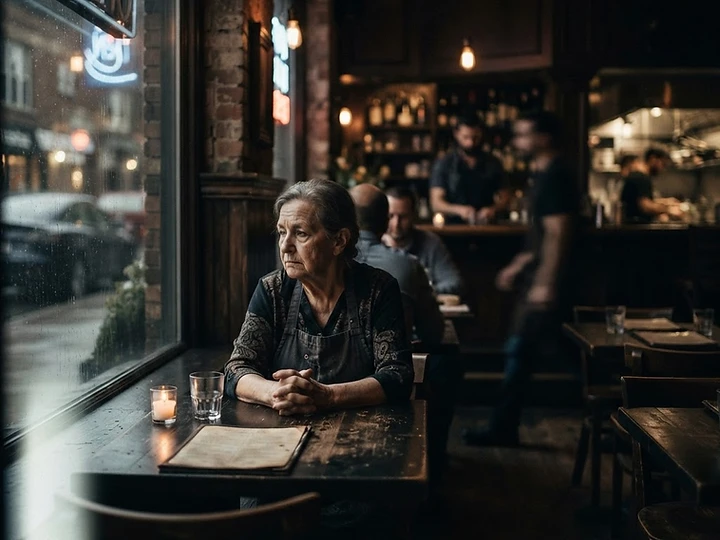
The Return to the Neighborhood
In an era dominated by global food chains and delivery apps, the sudden spike in searches for 'restaurants near me'—specifically tied to new, chef-led neighborhood concepts—reveals a profound shift in consumer values. Diners are no longer just looking for sustenance; they are seeking a sense of place. The success of new ventures, such as those led by Michelin-star chefs moving into residential districts, suggests that the future of dining is intimate, accessible, and deeply rooted in the local community.
The Chef-Driven Casual Model
What makes this trend particularly compelling is the democratization of high-end culinary talent. Chefs who once focused exclusively on fine dining are now applying their expertise to casual concepts—burgers, small plates, and seasonal menus. This 'casualization' of fine dining is a direct response to changing economic realities and a desire for more frequent, less formal social interactions. The search data indicates that consumers are actively hunting for these 'hidden gems' that offer high-quality ingredients without the pretense of traditional white-tablecloth establishments.
Economic and Social Implications
This trend is not merely a culinary preference; it is an economic indicator. Neighborhood-centric businesses are revitalizing local economies, creating jobs, and fostering social cohesion. As these restaurants become the new 'third places'—spaces outside of home and work—they are reshaping the urban landscape. The sustained interest in these local dining experiences suggests that this is not a fleeting fad, but a long-term shift in how we define and value our local communities.


