A Cosmic Intersection
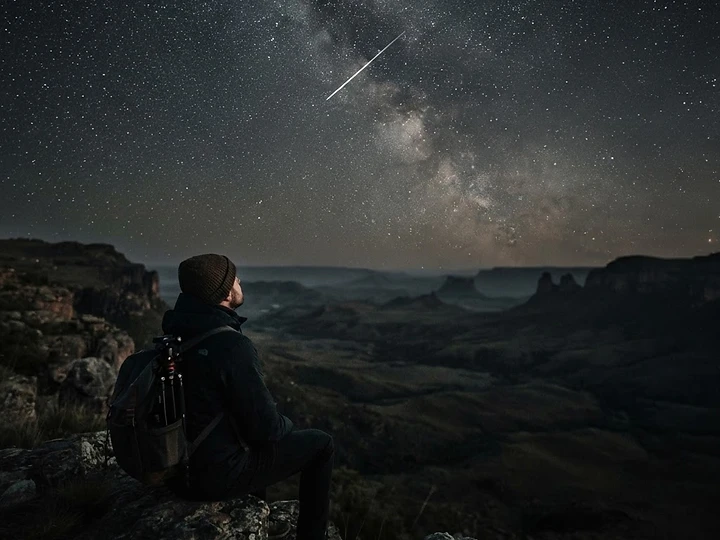
Every August, the Earth traverses a dense cloud of dust and ice particles left behind by the periodic Comet Swift-Tuttle. This annual event, known as the Perseid meteor shower, is widely considered the most reliable and spectacular display of shooting stars in the northern hemisphere. As we reach the peak of the 2026 cycle, interest has surged as amateur astronomers and casual observers alike prepare to witness the celestial display.
The Science of the Shower
The Perseids are named after the constellation Perseus, the point in the sky from which the meteors appear to radiate. However, the phenomenon is actually caused by the Earth's atmosphere colliding with debris traveling at approximately 37 miles per second. When these tiny particles, often no larger than a grain of sand, strike our atmosphere, they vaporize, creating the brilliant streaks of light we observe from the ground. The 2026 peak is expected to be particularly favorable due to lunar conditions, allowing for higher visibility of fainter meteors that are often washed out by moonlight.
Observing the Peak
For the best viewing experience, experts recommend finding a location far from urban light pollution. The peak activity is expected to occur in the pre-dawn hours of August 12. Unlike many other astronomical events that require specialized equipment, the Perseids are best viewed with the naked eye. Observers are encouraged to allow their eyes to adjust to the darkness for at least 20 minutes before scanning the sky. While the radiant point is in Perseus, the meteors can appear anywhere in the sky, making a wide-angle view the most effective strategy for catching the show.