
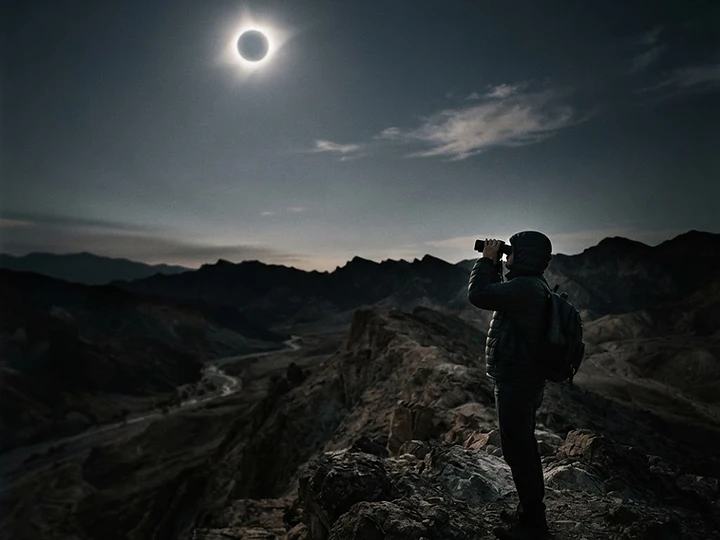
A Moment of Darkness
The solar eclipse of August 2026 has become a focal point of global scientific and cultural interest. As the moon casts its shadow across the Earth, the phenomenon serves as a stark reminder of our place in the solar system. Unlike typical celestial events, this eclipse has generated significant public engagement, with search interest peaking as observers prepare their protective eyewear and travel plans to reach the path of totality.
Scientific Significance
Beyond the spectacle, the eclipse provides a unique laboratory for atmospheric scientists. During the brief period of totality, the sudden drop in solar radiation allows researchers to study the solar corona—the sun's outer atmosphere—in ways that are impossible under normal conditions. This year's data collection is expected to be the most comprehensive in history, thanks to a global network of ground-based sensors and satellite observations.
Cultural Impact
Historically, solar eclipses were viewed with trepidation, but today they represent a unifying moment of shared human experience. From educational initiatives in schools to community viewing parties, the event has fostered a renewed interest in astronomy. As we look toward the future of space exploration, these moments of wonder remain essential for inspiring the next generation of scientists and curious minds alike.


