
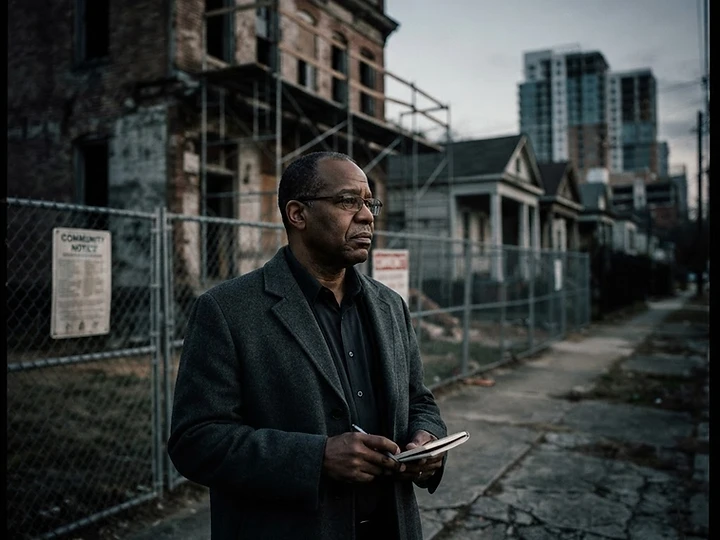
The Sweet Auburn Vision\n\nIn the heart of Atlanta, the Sweet Auburn district stands as a testament to African American resilience and entrepreneurial spirit. Once dubbed the richest Negro street in the world by John Wesley Dobbs, the area has faced decades of disinvestment. However, the recent emergence of Rick Jackson’s revitalization plan has thrust this historic corridor back into the national spotlight. Jackson, a prominent figure in Georgia’s business and philanthropic circles, has unveiled a comprehensive strategy aimed at injecting capital into Black-owned businesses and restoring the architectural integrity of the district. This is not merely a real estate play; it is a foundational effort to rebuild the economic engine of one of Georgia’s most culturally significant neighborhoods. By focusing on Sweet Auburn and other historic districts, Jackson is tapping into a deep-seated desire for community-led growth that honors the past while securing a prosperous future.\n\n## A Political Gambit?\n\nWhile the economic merits of the plan are being debated in boardrooms, the political implications are vibrating through the halls of the Georgia State Capitol. Analysts suggest that Jackson’s proposal is a strategic maneuver to expand his political reach ahead of upcoming election cycles. By positioning himself as the architect of urban renewal, Jackson is building a bridge to a demographic that has often felt sidelined by mainstream economic policies. The proposal has already drawn sharp reactions from established political figures, including former Atlanta Mayor Keisha Lance Bottoms, who has voiced concerns regarding the implementation and the potential for displacement. This friction highlights the high stakes involved: Jackson is not just proposing new storefronts; he is challenging the existing power structures and offering an alternative vision for how political capital is earned and spent in the South.\n\n## Economic Revitalization vs. Gentrification\n\nOne of the most critical aspects of the Jackson Blueprint is the tension between revitalization and gentrification. For residents of Sweet Auburn, the promise of new investment is often shadowed by the fear of rising property taxes and the loss of community identity. Jackson’s plan attempts to mitigate these fears by emphasizing support for existing Black-owned businesses and creating incentives for local ownership. However, the influx of high-profile capital inevitably attracts secondary developers, raising questions about whether the district can remain accessible to the people who have called it home for generations. The success of this plan will depend on its ability to create a sustainable ecosystem where economic growth does not come at the cost of cultural erasure. This requires a delicate balance of private investment, public policy, and community oversight—a triad that Jackson claims is at the core of his strategy.\n\n## The National Implications\n\nWhat is happening in Georgia is a microcosm of a larger national conversation about the role of private citizens in public revitalization. As federal and state budgets face increasing scrutiny, the 'Jackson Model'—where private wealth is leveraged to achieve public-interest outcomes—is being watched closely by urban planners across the United States. If Jackson can successfully revitalize Sweet Auburn without triggering a wave of displacement, he will have created a template for urban renewal that could be exported to other historic districts in cities like Detroit, Chicago, and Birmingham. Furthermore, the political success of this initiative could signal a shift in how business leaders engage with the electorate, moving from behind-the-scenes lobbying to front-facing community leadership. As the 2026 political season approaches, Rick Jackson’s name is likely to remain at the top of search trends, serving as a lightning rod for discussions on race, wealth, and the future of the American city.
24H TRAJECTORY+450%


