
Why this is trending right now
Search volume around "AI data centers" expanded rapidly after environmental impact and localized utility rate hikes transformed facility zoning into a pivotal issue in midterm and local races. Reporting from the Los Angeles Times documents widespread community resistance across California and nationwide, where voters and candidates cite escalating water usage and grid vulnerability as pressing campaign priorities.
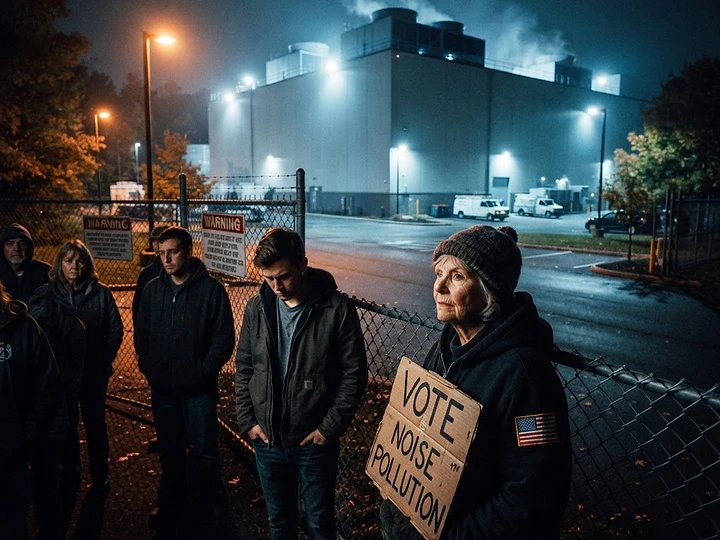
The political controversy reflects mounting friction between corporate compute expansion and regional infrastructure. As tech operators commit tens of billions of dollars to new computational hubs, local residents face rising electricity tariffs and noise pollution, converting technical zoning disputes into ballot-box mandates as highlighted by CNBC Enterprise.
The last 24 hours: a timeline
Early in the day, regional election filings and local debate records revealed candidates actively campaigning on moratoriums against unconstrained server farm construction. The Los Angeles Times detailed how voter unease has crossed party lines, with both conservative rural districts and suburban municipalities opposing proposed expansions.
By midday UTC, national news desks picked up the localized disputes, noting that public concern has expanded from quiet municipal hearings into prominent televised campaign advertisements. Multiple legislative candidates pledged statutory caps on industrial energy consumption tied to cloud compute farms.
Within hours, utilities and local regulators published emergency filings addressing capacity management. Regional search queries spiked as rate-payers searched for local power board agendas, zoning commission hearings, and legislative initiatives targeting data center tax breaks.
What could happen next
State legislatures in high-density hosting regions are likely to introduce statutory guardrails requiring data center developers to finance independent microgrids, on-site storage, or dedicated renewable generation assets. Without self-contained power generation, new permits will face protracted regulatory reviews and legal challenges from municipal advocacy groups.
Technology operators will respond by shifting procurement toward isolated geographies with excess baseload capacity or nuclear co-location. Inferences drawn from corporate infrastructure commitments suggest cloud providers will prioritize long-term power purchase agreements that guarantee grid non-interference, attempting to defuse voter hostility before forthcoming legislative sessions codify stringent operational restrictions.
SOURCES — THE RECORD
- Backlash over data centers hits California, and the midtermsLOS ANGELES TIMES · latimes.com
- AI data center outrage is showing up everywhere from ads to electionsCNBC · cnbc.com
- Explore what the world is searching for right nowGOOGLE TRENDS · trends.google.com


